
Quick Answer
This article lists fifteen indoor playground equipment manufacturers for buyers in Southeast Asia. Fourteen are companies in Vietnam, Thailand, Malaysia and Indonesia; the fifteenth is NinescapeLand, a 50,000㎡ indoor playground factory in Wenzhou, China. Among the fourteen reviewed here, none has publicly demonstrated that it can manufacture and deliver every major FEC attraction under one factory-direct contract, which is why NinescapeLand is on the list.
The companies are organised by country and project fit, not ranked by size. Each profile covers location, product scope, the manufacturing evidence available and the project types it suits. A separate section compares import duty, documents and lead times across the markets.
1. Which Manufacturer for Which Project
Find your project in the first column. The second column is the local factory most likely to quote it well. The third column is the case where NinescapeLand (#15) is the better call.
| Your project | Best local fit | When NinescapeLand (#15) wins |
|---|---|---|
| Compact soft play, 100–300㎡ mall unit | Dai Viet Toys (#1, Vietnam) · 2C&P (#4, Thailand) | You need themed joinery and role-play in the same contract. The two Thai schemes we built for KICKKICK playclub (285㎡ and 310㎡) were done that way. |
| Themed indoor park, 500–800㎡ | Wahana Tirta (#12) · Saviorich (#13), Indonesia | Theme work is the most expensive line in a local quote. Get a 3D layout and a line-item quote from #15 before you sign. |
| Kindergarten / preschool play area | Dai Viet Toys (#1) · Ideal Scope (#8, Malaysia) | These suppliers make the furniture; the play structure is often bought in. #15 builds both on one line. |
| Municipal or school playground, public tender | PGE (#7) · Reka Setia (#9), Malaysia | Local certification makes sign-off easier. For the soft contained play inside the scheme, #15 takes that scope. |
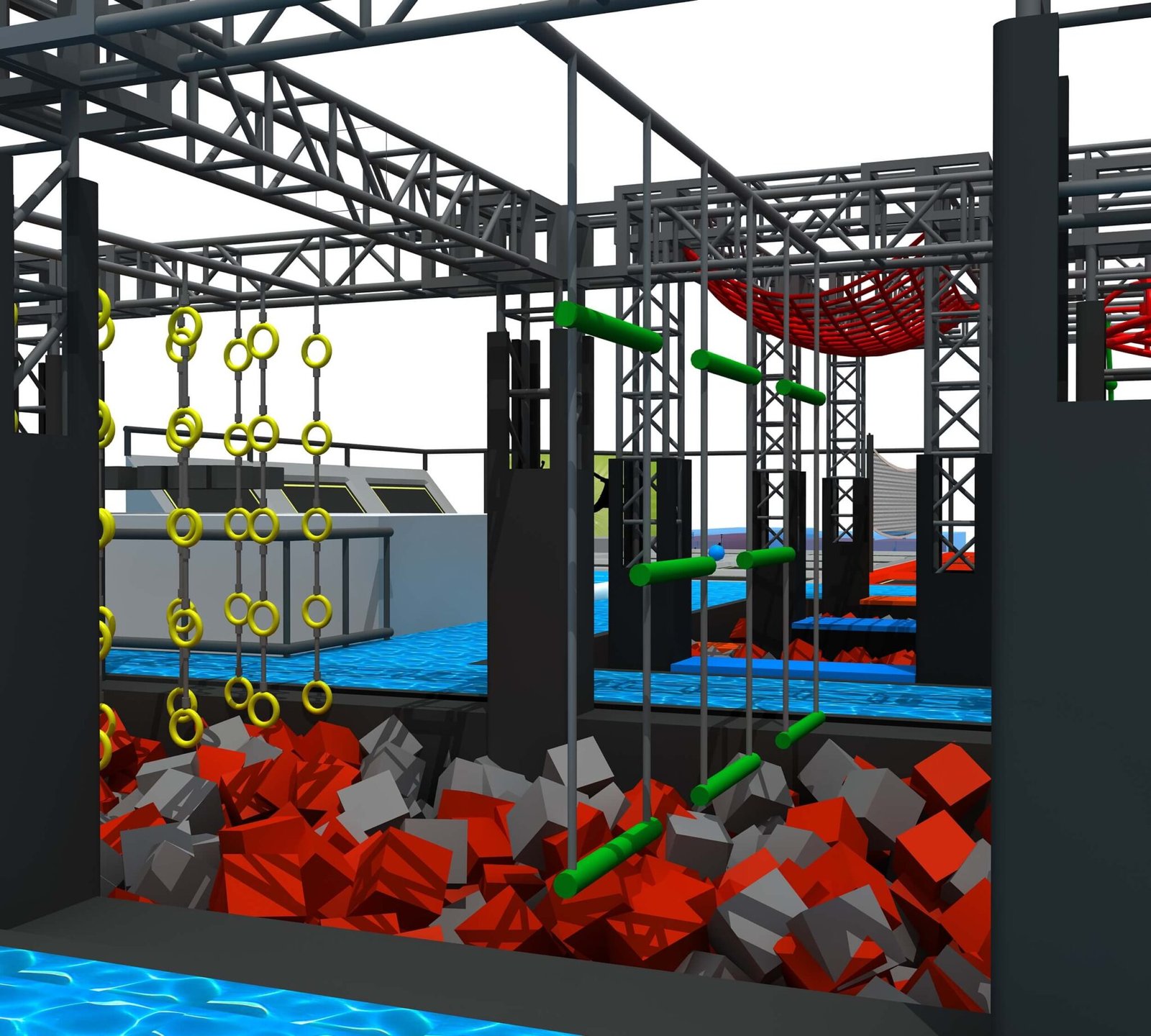
| Trampoline park or ninja course | PGE (#7) · Saviorich (#13) | Steel and the installation crew decide the result. A 914㎡ ninja park case is on the #15 site. |
| Multi-level soft play + climbing + ninja, full FEC | None of the fourteen covers it | NinescapeLand (#15): one factory, one contract, one installation crew. |
| Three or four quotes in, interfaces unclear | — | NinescapeLand (#15): one BOM and one delivery schedule. |
Regional editions of this list, for buyers comparing markets: Middle East, Europe, Americas, Russia.


2. Vietnam: Three Manufacturers Built on Soft Play and Preschool
Vietnam is one of the region’s main sourcing markets for compact soft play and preschool equipment, and it supplies the category at volume. Two of the three companies below list more than one business address, and the largest factory is 10,000㎡ in the Mekong Delta. All three publish a factory address. None of them works from a sales office only.
1. Dai Viet Toys — Vietnam
Dai Viet Toys prices by floor area. The quote arrives as a complete system, not a parts list. That suits a mall unit under 500㎡.
- Factory: Que Vo 2 Industrial Zone, Bac Ninh, north of Hanoi. A second address in Ho Chi Minh City shortens delivery to southern projects.
- Range: soft-play systems in 50㎡, 100–200㎡ and 200–500㎡ bands. Jungle, ocean, space and candy themes. Also trampoline parks, water play and kindergarten furniture.
- Certification: ISO 9001:2015 and TCVN 6238-4A:2017, both named on its site.
- References: Dam Sen Water Park and Sun World Ha Long, listed by the company. Trading since 2006.
- Best fit: a 100–500㎡ mall or kindergarten unit with the theme already chosen, where structure, padding and role-play come from one line.
2. Saucon — Vietnam

Saucon builds for contracts that include steel and themed scenery. Most soft-play factories stop at padding. This one does not.
- Factory: 10,000㎡ plant in Can Tho, Mekong Delta, built 2015. Company founded 2006, started as a play club in 1999.
- Range: design, manufacture and installation of indoor play areas and theme-park games. Industrial steel structure is fabricated in the same workshop.
- Certification: ISO 9001:2015, stated on its site.
- References: the company states its main products are exported to Thailand. Project base is southern Vietnam.
- Best fit: a themed venue in the south where one contractor carries drawings, steel, scenery and handover.
3. WINAM — Vietnam7
WINAM is not a soft-play specialist, and that is why it is here. On a park or resort tender, surfacing and equipment usually sit in one scope.
- Factory: own factory and warehouse. Trading since 2013.
- Range: indoor and outdoor playgrounds, outdoor fitness, EPDM and SBR rubber surfacing, fountains, park furniture.
- Certification: ISO 9001, 14001 and 45001. Products built to EN and ASTM references.
- References: park, resort and municipal work. Indoor play is one line among several.
- Best fit: a project where flooring, landscaping and equipment are one package, and you do not want to coordinate three suppliers on site.
3. Thailand: Small Soft Play Factories, Deep Specialisation
Thailand is the other name in that row. The soft-play companies reviewed here are small and specialised. They make padded climbing, wall panels, ball pools and soft flooring, and little else. That makes them flexible on small custom batches and fast on one category. Their published product scopes do not extend to a full venue.
4. 2C&P — Thailand
2C&P is a soft-play factory with no design house attached. It quotes structure, padding and ball pools. You bring the theme.
- Factory: 23 Ratuthit 68/1, Sathupradit Road, Minburi, Bangkok 10510.
- Range: soft-play climbing, padded wall panels, ball pools, soft flooring, children’s furniture. Sponge is the main material.
- Certification: no certificate is published on its site. Require certificate numbers and the models they cover before you order.
- References: listed by the Thai Toy and Children’s Product Trade Association as Factory / Manufacturer / OEM.
- Check first: its own domain no longer resolves. The association listing carries current contact details. Confirm scope and capacity in writing before you build a schedule around it.
- Best fit: a soft-play-only package with theme and joinery already handled.
5. Pun Pun Playground and Toys — Thailand
Pun Pun works in Thai. Quotes, drawings and after-sales all run in Thai, which matters on a local fit-out.
- Factory: the Thai site uses โรงงานผลิต (production factory) in several places. Trading since 2006.
- Range: indoor Softplay series 08–11, outdoor combination units, timber structures, climbing nets, EPDM surfacing, ball pools, kids’ club fit-outs.
- Certification: ASTM is named, with no certificate number and no test report. Ask for both, and for the models covered.
- References: Thai kids’ clubs and soft-play installations. Describes itself as manufacturer and distributor.
- Best fit: buyers who work in Thai and want indoor soft play plus outdoor units from one factory.
6. Thai Play Equipment — Thailand
Thai Play owns three product series — Green Play, Green Fit, Green Floor — rather than only project references. That matters if you are buying a catalogue, not a one-off build.
- Factory: Thai factory, trading since 2001.
- Range: Green Play (GPIP) indoor and outdoor play, Green Fit outdoor gym, Green Floor EPDM and rubber surfacing.
- Certification: no certificate is published on its site. Ask per product series.
- References: a third-party company profile lists 11–50 staff and a 31–40% export share. That fits a factory supplying distributors.
- Best fit: a buyer who wants equipment and surfacing from one supplier, and a Thai brand with its own catalogue rather than a contractor assembling third-party parts.
4. Malaysia: Public Playground Standards and the Clearest Paperwork
Malaysia appears in that table for public tenders. Its framework for public playground equipment is the most developed in the region, with MS 966 and SIRIM certification services sitting behind most municipal and school sign-offs. Five of the fourteen local companies here are Malaysian, the highest count in this region. It is also where “manufacturer” needs the closest reading: the oldest company on this list also distributes European brands.
7. Park Games Equipment (PGE) — Malaysia

Park Games Equipment was registered in 1995, the oldest company on this list. Its manufacturing claim can be audited.
- Factory: registered 1995, SSM 199501000510 (329704-H). Office in Petaling Jaya; second office in Dandenong, Victoria.
- Range: outdoor playgrounds on its own model system (Vertex VTX 2), plus a separate Indoor Play catalogue line.
- Certification: manufacturing facilities audited by TÜV NORD since 2004. DIN EN 1176 certified by TÜV NORD since 2004. ISO 9001 since 1999.
- Warranty: lifetime on aluminium posts and stainless hardware. Five years on galvanised, powder-coated and rotomoulded parts. One year on ropes and moving parts.
- References: exports listed across fourteen markets, including Indonesia, Thailand, Vietnam, Singapore and Cambodia.
- Ask this: affiliate partners include Proludic and Yalp, so the indoor range mixes own production with resale. Request origin and BOM item by item. A TÜV-audited factory can answer that.
- Best fit: a Malaysian or regional project that needs EN 1176 paperwork and a factory you can audit.
8. Ideal Scope Playground — Malaysia

Ideal Scope sells indoor play and classroom furniture together. Most Malaysian preschool fit-outs are bought that way.
- Factory: Lot 11179, Kawasan Perindustrian Tuanku Jaafar, Seremban. An industrial plot with its own lot number.
- Range: indoor and outdoor play equipment, kindergarten furniture, outdoor fitness, landscape furniture.
- Certification: SIRIM branding on the site. The mark appears without a certificate number.
- Check first: operating since 1998, but the entity number shown is 201601034190 (1205131-D). Reconcile the two before you sign.
- Best fit: a Malaysian kindergarten or school package where play and furniture are bought together and local certification paperwork matters.
9. Reka Setia Industries — Malaysia

Reka Setia names five indoor venues, with city and project type. Most companies in this category publish renders instead.
- Factory: No 26, Jalan Sungai Jeluh 32/192, Nouvelle Kemuning Industrial Park, Shah Alam. Single unit, own number.
- Range: indoor play centres, themed builds, fabrication and installation. Founded 2000.
- Certification: ISO 9001:2015 covering design, fabrication and installation, plus SIRIM MS 966, ASTM and EN 1176, all stated on its safety page.
- References: Anthill Adventures (Shah Alam), HexaNest (Johor), Lift-Off (Penang), Paper Wings (Shah Alam), Play Nexus (international school). Exports to Chomping Ground in Australia and Flutter in Vietnam.
- Best fit: an indoor play centre in Malaysia or nearby, with a local contract, a factory you can visit and indoor references you can call.
10. Play Haus — Malaysia

Play Haus is young and theme-led. One supplier runs from design to installation, which shortens the handover.
- Factory: Selangor, set up 2017.
- Range: independent items, standard ranges and theme builds. Design, R&D, production and after-sales in-house by its own description.
- References: a short public list. Read it as a younger company, not an unproven one.
- Best fit: a smaller or theme-led fit-out where one supplier handles design through installation, and you will verify certificates in the first meeting.
11. Binascape — Malaysia
Binascape’s own catalogue sets the limit. It is a playset manufacturer with indoor flooring as a supporting line. Useful for a hybrid site, wrong for a pure indoor build.
- Factory: Klang Valley. Page title reads “children playground equipment manufacturer”.
- Range: playsets, Soloo play system, play flooring, fitness stations, furniture. Indoor multi-sport flooring is a supporting line.
- Certification: MSS 966, stated on the site.
- References: outdoor playsets in schools, parks and housing estates.
- Best fit: an outdoor or semi-outdoor playset project where the indoor area is one part of a larger scope.
5. Indonesia: Themed Work and a Looser Use of ‘Manufacturer’
Indonesia appears in that table for themed parks. It is the largest consumer market in the region, and the loosest use of the word produsen. Some of the addresses published on company sites are real industrial plots; others are office floors. The three below passed an address check.
12. PT Wahana Tirta Estetika — Indonesia

PT Wahana Tirta Estetika splits its product lines three ways: theme, soft play and rainbow nets. A themed build is priced as a themed build.
- Factory: Surabaya and Jakarta. Started 2007 as a division of a pool and fountain contractor.
- Range: thematic modular play, soft play, rainbow nets, plus outdoor play, water play, shade sails and rubber flooring.
- Certification: the site states TÜV certification to EN 1176 and CE marking to EN 71. No certificate numbers are shown. Ask for them, and for the models covered.
- References: international schools, apartments and hotels. Installation reach includes Sorako, Balikpapan, Riau and Batam, which shows how far the crew travels.
- Best fit: a themed indoor area for a school, apartment podium or hotel, where the theme is the product.
13. Saviorich Playground — Indonesia
Saviorich is a fabricator with its own yard. It is smaller than Wahana, with a shorter reference list, but the manufacturing claim sits on an address.
- Factory: industrial plot in Menganti, Gresik, in the Surabaya metropolitan area. Operating since 2009.
- Range: indoor playground and soft play, in the same catalogue as outdoor and educational play.
- Certification: no certificate is published on its site. Request certificate numbers with the models covered.
- References: claims nationwide delivery from Sabang to Merauke. Project list is shorter than the Jakarta players.
- Best fit: an East Java project where you want a fabricator with its own yard, and you will visit before signing.
14. PT Panda Playhouse Indonesia — Indonesia

PT Panda Playhouse is the SNI-led option in Surabaya. It speaks the local compliance language, which shortens the paperwork conversation.
- Factory: Surabaya. Describes an in-house fabrication workshop using SNI-listed materials.
- Range: indoor and outdoor theme parks, from mall units to park installations.
- Certification: SNI is the lead claim. The site says “playground SNI number one”. Ask which SNI standard and which models.
- References: 500+ projects claimed. Founding date only implied.
- Ask this: does the workshop fabricate structures, or assemble bought-in components?
- Best fit: a Surabaya or East Java buyer who needs a local contractor that speaks SNI and can be on site within a day.
6. The Gap: What the Companies Reviewed Still Don’t Cover
The fourteen companies above cover single categories. Among them, none has publicly demonstrated full-venue manufacturing and delivery under one contract. Distance is not the reason: from Guangzhou or Shenzhen it is 5–10 days port to port to Ho Chi Minh, Jakarta or Port Klang. Under ACFTA, a correctly issued Form E takes most of these lines to 0%, subject to the HS line and the rules of origin. A local factory here gets no duty protection. What it has is faster approvals, faster response and the local language.
Scope is the gap. Each country is deep in one category and thin outside it. Vietnam is strong in preschool and soft play. Thailand in pure soft play. Malaysia in public playgrounds and surfacing. Indonesia in theming and standard ranges.
A full FEC needs multi-level soft play, a trampoline park, a ninja course and a climbing wall. None of the fourteen quotes all four. So the buyer assembles three or four suppliers. That means three or four delivery schedules, and one argument about who owns the interface.
Cross-border delivery is also thin. PGE exports to fourteen countries. Reka Setia ships to Australia and Vietnam. Saucon ships to Thailand. Thai Play exports 31–40% of its output. For the rest, no export activity was identified in the public record.
7. NinescapeLand (#15): Factory-Direct Indoor Playground Equipment, Full Scope
NinescapeLand is an indoor playground equipment manufacturer in Wenzhou, China. The factory is 50,000㎡ and has run since 2008. It exports to 75+ countries, and five of those markets are in Southeast Asia: Malaysia, Vietnam, Singapore, the Philippines and Thailand.
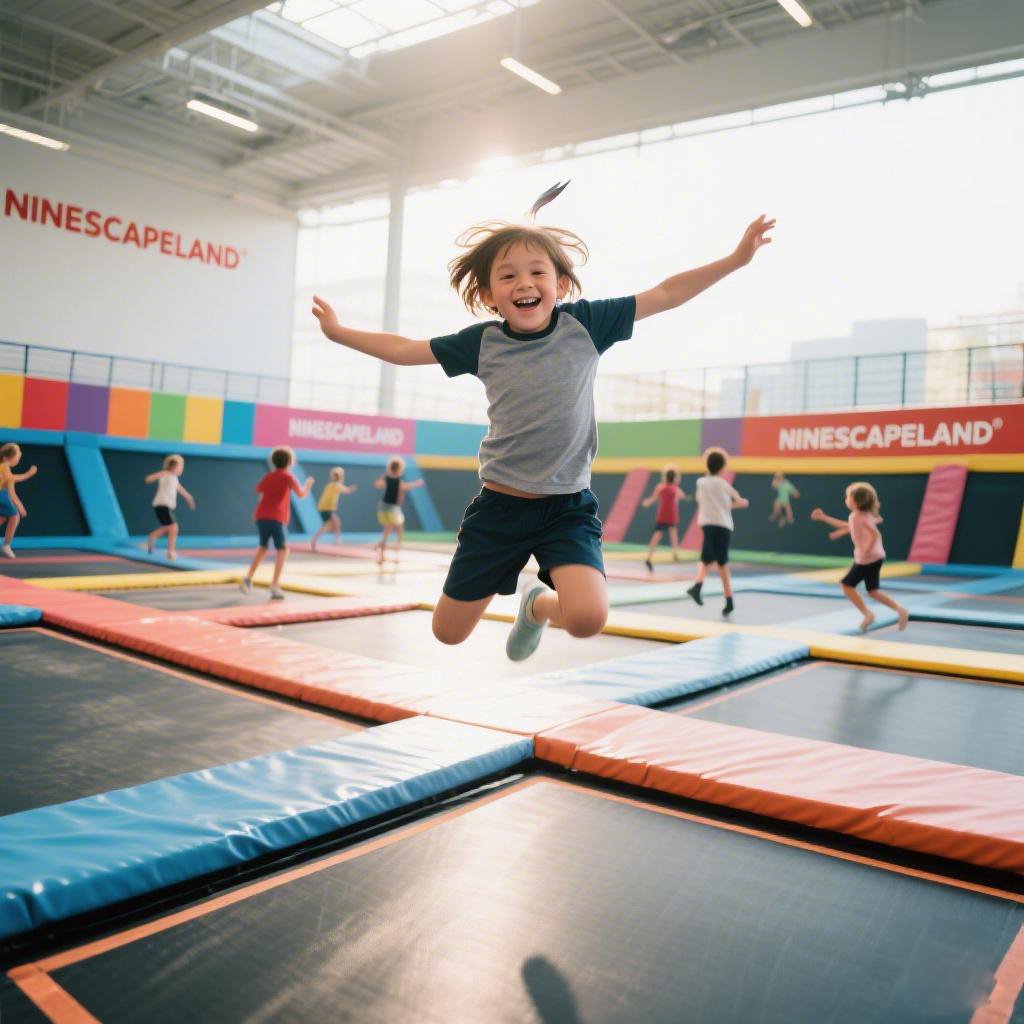
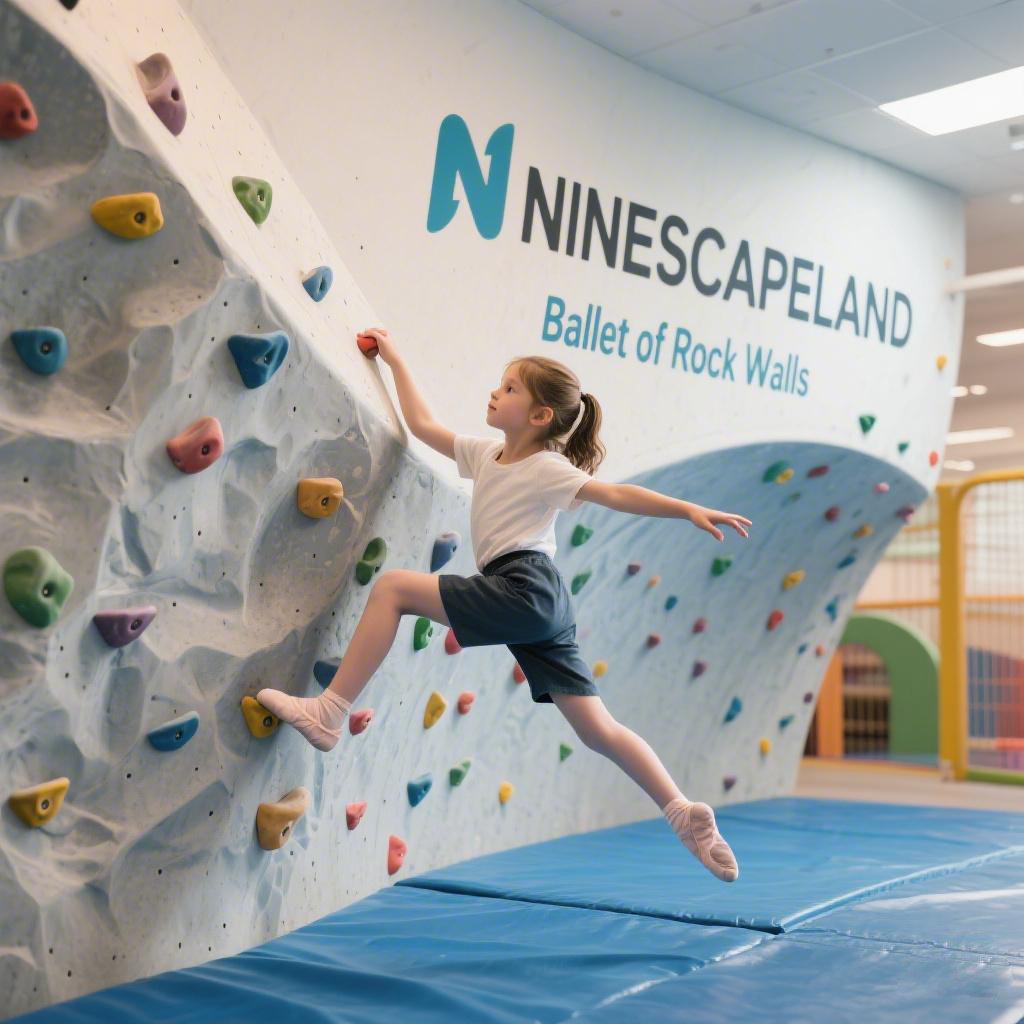
It builds whole venues, and single modules when a project only needs one: multi-level soft play, trampoline parks, ninja courses, climbing walls, themed joinery and role-play units. The full-venue scope is what the fourteen factories above do not quote as one contract.

The numbers:
- Production: 20–45 days by category. Installation runs 7–20 days, set by how much of the venue is being built: a full venue at the high end, a compact scheme at 3–5 days. A full project 2–3 months, four for large or remote sites.
- Warranty: three years on structure. One year on soft padding. One year on ninja steelwork.
- Terms: 30% deposit, balance before shipment.
- Duty: a correctly issued Form E takes most of these lines to 0% under ACFTA, subject to the HS line and the rules of origin. Indonesia adds PPN.
- Best for: a full venue on one contract.
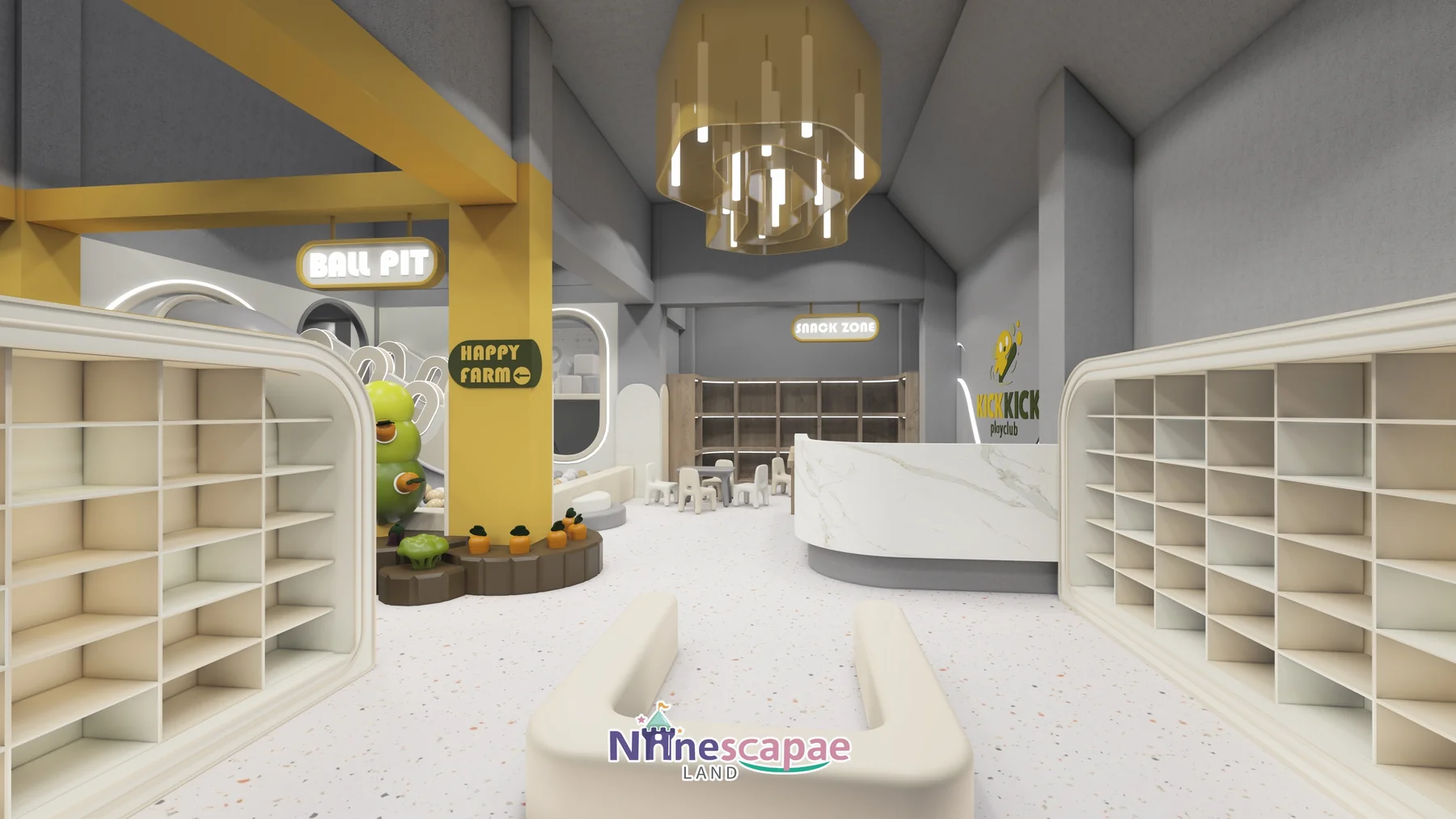
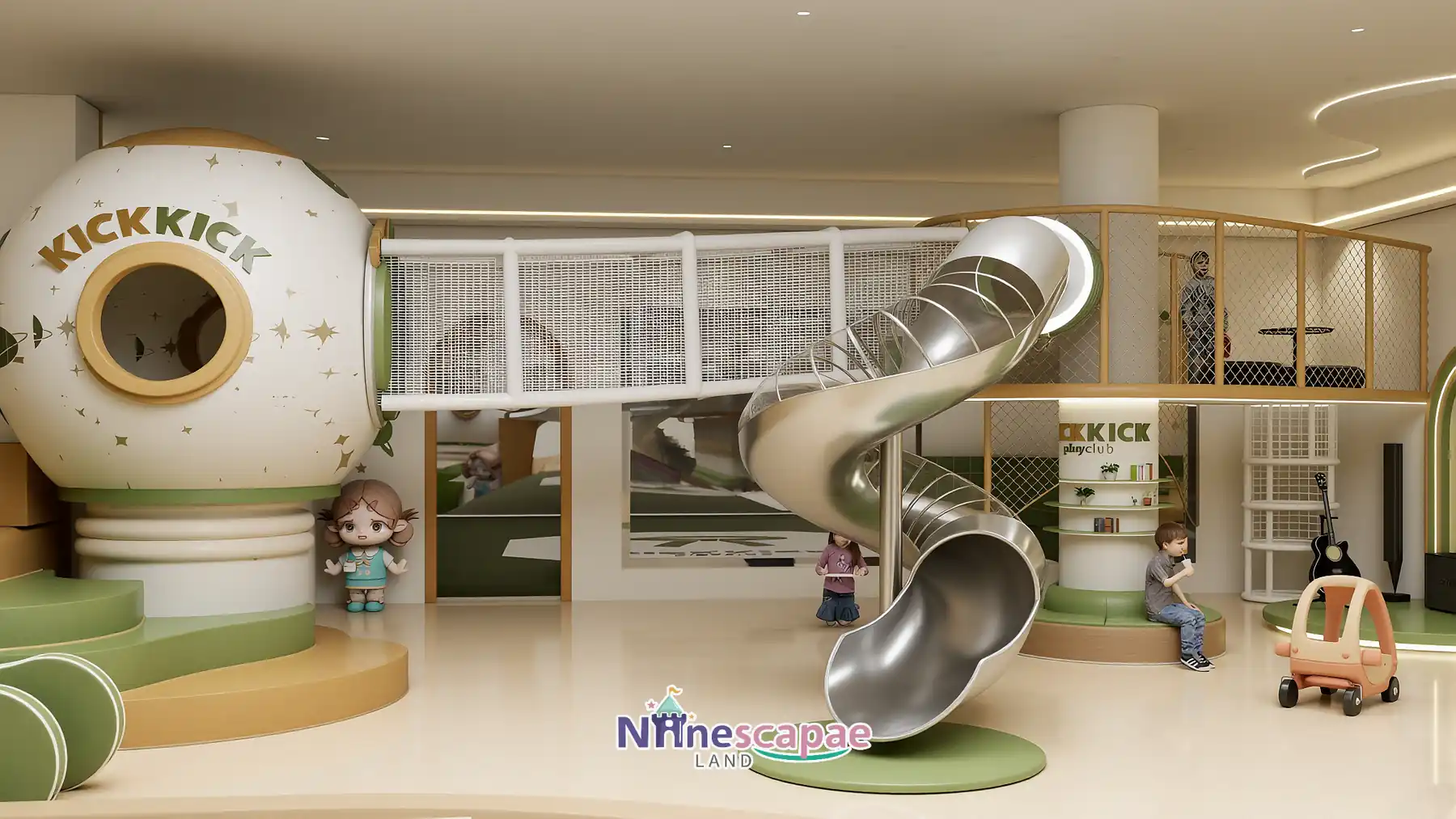
One project in Thailand shows what that scope looks like: KICKKICK playclub, delivered by NinescapeLand in two design schemes.
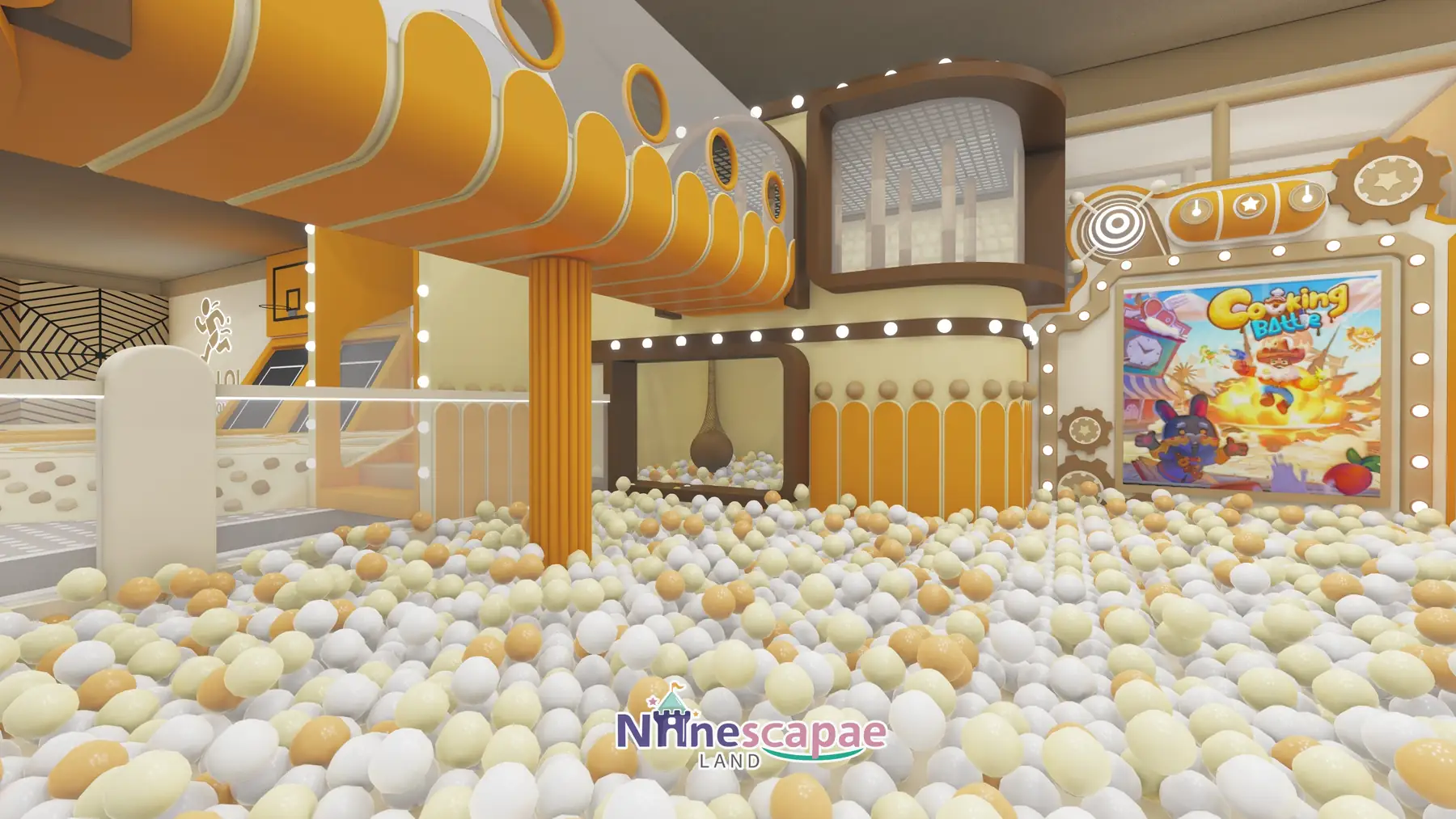
- 285㎡ scheme, in a mall. Cream, mustard and grey. Ball pool, grey spiral tube slide, rope-net tunnel, projection trampoline, beauty-shop role-play unit, glass-walled taekwondo room.
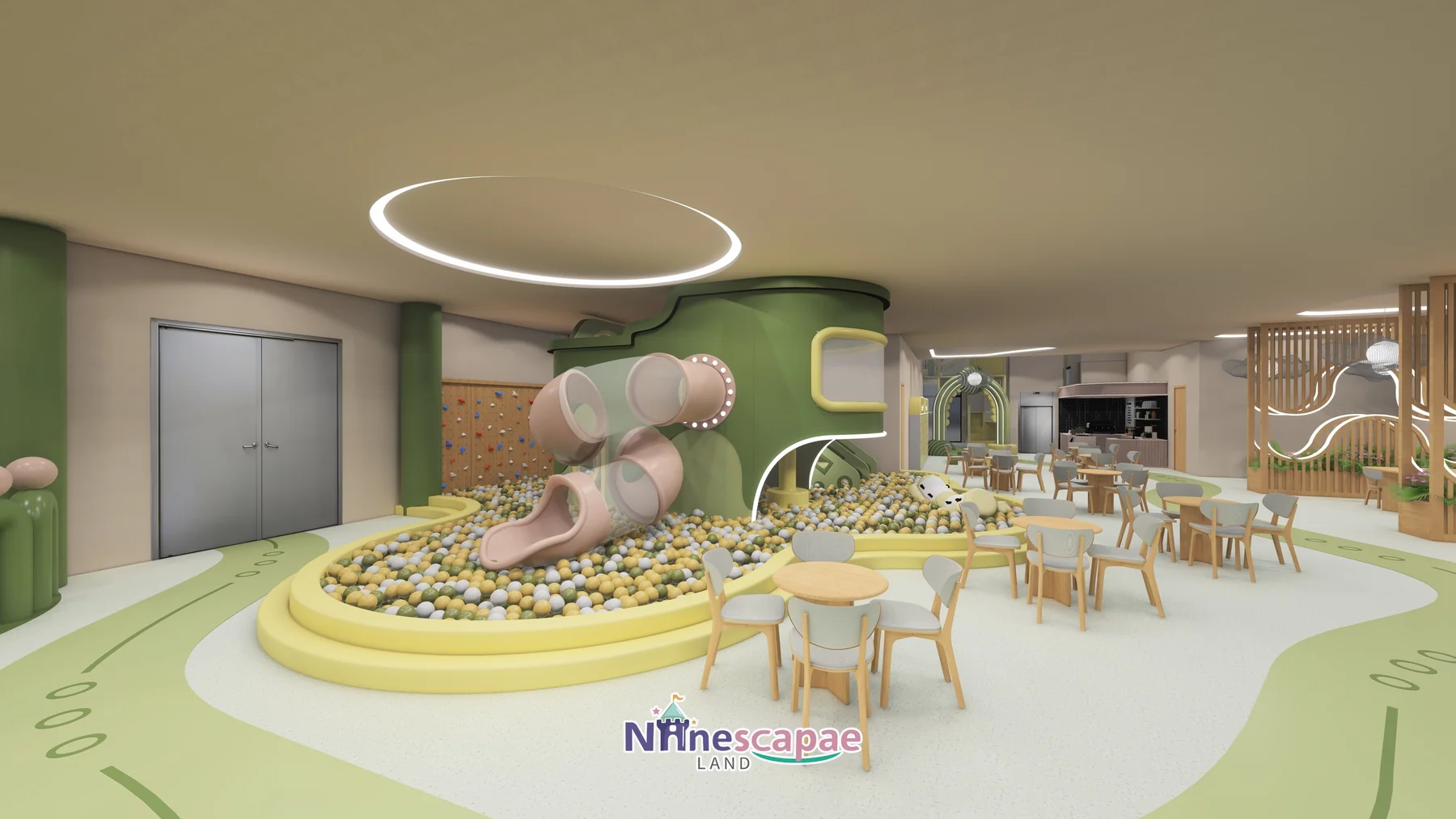
- 310㎡ scheme, space theme. Capsule ball pool, ninja foam pit with timing lights, trampoline fitness corner, separate taekwondo room, role-play street, go-kart refuelling bay, mezzanine toddler platform for ages 3–10.
Four case pages, with images:
If you are pricing a full venue, send a floor plan, the ceiling height and an opening date. You get a 3D layout, a line-item quote and a production schedule in 3–7 working days.
8. Three Names We Left Out, and What Is Unverified About Them
You may have seen the three names below on other lists of Southeast Asian playground suppliers. They are not on ours, and the reason is the same for each: each one describes production, and none publishes a production address you can check.
That is not a verdict on the work, and it is not a claim that the factories do not exist. A company that says it has a factory may well have one. The question a buyer needs answered is whether you can walk into it before you wire a deposit.
- Happy Play Indonesia. Calls itself produsen and distributor, and its social accounts refer to production at its own factory. The addresses published are commercial units in Bogor and Jakarta. Unverified: the factory.
- Dunia Playground. States that it has its own production facilities in Central Java, and calls itself produsen dan supplier. The addresses it publishes are branch offices in Surabaya and Purwokerto. Unverified: the factory address.
- Eastmatix. Its playground site titles itself Produsen Playground; the main site positions the company as a specialist contractor. Registered on the 21st floor of an office tower in South Jakarta. Unverified: a production address.
So ask for the factory address first. Then the certificate number, and the models it covers. Then one project you can call.
9. Before You Sign: Due-Diligence and Certification Checklist
Five questions, and get written answers to all five before you sign.
- What is the factory address: street, industrial zone, lot number?
- How many square metres, how many staff, how many units a month?
- Which certificate, with which number, covering which models?
- Which named project can I call, and who there will take the call?
- For each line on the quote: where is it made, and can I see the BOM?
10. Local Factory or China Factory: Duty, Documents and Lead Time
This section answers one question: buy from a factory in your own country, or import from a factory in China? The price on the quotation is not the answer. Add duty, tax and freight, and the answer can change.
On most of the lines below, duty is 0% with a correctly issued Form E, subject to the HS line and the rules of origin. So the tariff is rarely what decides the choice. Lead time, installation and paperwork are. Read your own market first.
Indonesia: 5% MFN, 0% under ACFTA, three taxes stacked. Duty on 9506.99 is 5%. PPN is 12% on paper, charged on 11/12 of the import value, so 11% in practice. PPh 22 is 2.5% with an API licence and 7.5% without. A PKP-registered importer can credit the PPN, subject to the applicable tax rules. PPh 22 is a prepayment of income tax, so the cash tied up is the duty plus the PPN until you claim it back. Budget the PPN on top of the goods value, and check whether you hold an API licence before you order.
Malaysia: 0% duty, and sales tax is the variable. Import duty on these lines is nil. The July 2025 SST expansion moved thousands of lines into the 5% and 10% bands. Lines under 9506 are commonly nil. Check the 8-digit code at ezhs.customs.gov.my and budget 0–10% until you have the rate in writing.
Vietnam: 7.5% MFN, 0% under ACFTA, VAT 8% until 31 December 2026. MFN on 9506.99.90 is 7.5%. Chinese-origin goods enter at 0% under ACFTA or RCEP with the right certificate of origin. VAT is 10% standard, with an 8% rate for most goods until the end of 2026. The exclusion list is specific, so check your own line before you quote a landed cost.
Thailand: 10% MFN, 0% under ACFTA, VAT 7%. Thai Customs lists one import regulation against this line. Most Chinese-origin shipments clear at 0% with a Form E. Ask your broker about the regulation before the container sails, not after it lands.
Philippines: 1% on one ruling, and the classification is not settled for every product. A Tariff Commission ruling classified a specific wooden outdoor playground product under AHTN 9506.99.00 at 1% ad valorem. That is not a blanket rate for the category: soft play, trampolines, ninja rigs and climbing walls each need their own classification confirmed with a broker. VAT is 12%. Plan for port release in Manila or Batangas, which is slower than the tariff.
Singapore: 0% duty, 9% GST. No manufacturing and no duty. The cost of importing there is rent and labour.
Documents decide whether the 0% applies. A correctly issued Form E. Invoice and packing list with model, material and piece weight, item by item. ISPM 15 marking on timber packing. Test reports with certificate numbers. The importer’s own registration: API in Indonesia, a tax code in Vietnam, an importer of record in the Philippines. One mismatched description moves a shipment from 0% to 10%. On a 300㎡ project that is the cost of two ball pools, plus the delay to fix it.
Lead times need two numbers, and the second is the one to plan with.
| Stage | Time |
|---|---|
| Port to port, Guangzhou or Shenzhen to Ho Chi Minh | 5–7 days |
| Port to port to Jakarta | 7–10 days |
| Port to port to Port Klang or Bangkok | 5–10 days |
| Door to door, clearance and inland delivery included | 25–35 days (the Thai project recorded this) |
| 3D design | 3–7 working days |
| Production and QC | 20–30 days for a single scheme, 20–45 for a full venue |
| Installation on site | 7–20 days for a full venue, 3–5 for a compact scheme |
| End to end | 2–3 months, four for large or remote sites |
Installation is where the two routes differ most. A local factory brings its own crew. A cross-border order gives you two options: the manufacturer sends its own installation team, or your crew builds it on site. Check which one the quote includes before you compare prices.
Three numbers decide the choice: landed cost, door-to-door days, and who installs. Put them side by side before you compare unit prices.
11. Conclusion: Why Choose NinescapeLand
NinescapeLand answers one case: a full venue on one contract.
Take the local factory when the scope is one category and the goods can come from the same city.
Take NinescapeLand when the scope is three or more categories, or when you want one BOM, one delivery schedule and one party answerable for the interfaces.
Before you ask anyone for a price, have four things ready: a floor plan with dimensions, ceiling height including any low beams, floor loading, and an opening date.
What one contract buys you:
- One BOM. Soft play, trampoline, ninja, climbing and themed joinery come off one line. Nobody argues about who owns the interface.
- One schedule. Design 3–7 working days, production 20–45 days, door to door 25–35 days, installation 7–20 days for a full venue.
- Installation. NinescapeLand’s own installation team can come over, or your local crew builds it.
- Duty. A correctly issued Form E takes most of these lines to 0% under ACFTA, subject to the HS line and the rules of origin.
Send the floor plan, the ceiling height and the opening date. You get a 3D layout, a line-item quote and a production schedule in 3–7 working days.
12. FAQ
Which countries in Southeast Asia have indoor playground equipment manufacturers?
Four do, at volume: Vietnam, Thailand, Malaysia and Indonesia. Vietnam leads on small soft-play systems and kindergarten furniture, Thailand on compact custom soft play, Malaysia on certified school and municipal work, Indonesia on themed builds for the largest domestic market. Singapore is a fifth market without production — it has design, project-management and maintenance firms, and its buyers import. This list covers fourteen factories across those four countries, each with an address.
What is the difference between an indoor playground manufacturer and a supplier in Southeast Asia?
A manufacturer owns the line: it can state a factory address, floor area, headcount and monthly output, and its certificates are issued to the same legal entity that invoices you. A supplier sells equipment it buys in; its value is sourcing, consolidation and delivery, not production. The difference shows up in three places. Custom sizes and themes, because a factory can change a line and a trader can only pick from a catalogue. The BOM, because a factory can show it. And accountability, because when a part arrives wrong there is only one party to call.
How do I verify whether an indoor playground company in Southeast Asia is a real manufacturer?
Four checks, in this order. One: the address — an industrial-zone lot number counts for more than a business-park unit, and that counts for more than an office floor. Two: capacity — floor area, headcount, units a month; a company that cannot state any of the three is probably not producing. Three: a certificate with a number, an issuing body and a scope of models, in the name of the entity you are paying. Four: a named project you can call, or an export record someone outside the company can confirm. A live video walk-through of the line settles more than a catalogue does. Where a claim rests only on the company’s own words, treat it as a claim — which is not the same as calling it untrue.
How much does commercial indoor playground equipment cost in Southeast Asia?
The listed packages on the NinescapeLand site run from about $30,000 to $90,000. A 90㎡ toddler zone lists at $32,000. A 200㎡ compact soft-play scheme lists at $35,000, and a 200㎡ trampoline-plus-playground package at $69,000. A 500㎡ commercial build lists at $65,000. Treat these as listed package prices, not quotes: every project is priced per zone after the layout, and four variables move the number — floor area, how deep the theme goes, the equipment mix (soft play alone, or soft play plus trampoline, ninja and climbing), and site conditions such as ceiling height, access and floor loading. Two quotes for the same 300㎡ can differ by more than half, because one prices a padded room and the other prices a themed build with joinery in it. Ask for a line-item quote with a BOM that separates structure, padding, joinery, trampoline beds, freight and installation, and compare that. A single total tells you nothing about which of the two you are buying.
What safety standards should indoor playground equipment meet in Southeast Asia?
EN 1176 for playground equipment and ASTM F1488 for soft contained play are the two benchmarks most projects here are signed off against. Local rules sit on top of them: MS 966 in Malaysia, SNI in Indonesia, TIS in Thailand, the TCVN 6238 series in Vietnam, plus building permits for a commercial venue in any of the four. Ask for certificate numbers, the models they cover and the issuing body, then read the scope — a certificate for a category your equipment is not in proves nothing about your equipment. Keep test reports with the shipment; customs and landlords ask for them, and answering later costs more than carrying them.
Do Southeast Asian manufacturers provide custom indoor playground design and installation?
Design yes; installation depends on distance. Vietnamese and Thai factories routinely build to a 3D layout and a floor plan, with theme and colour changed per project; design takes 3–7 working days once the plan and the ceiling height are fixed, and production runs 20–30 days for a single scheme, 20–45 for a full venue. Installation is where the routes split. A local factory brings its own crew. A cross-border order either sends the manufacturer’s team, 7–20 days on site for a full venue and 3–5 for a compact scheme, or your own crew builds it. Confirm which one the quote includes before comparing prices, because a crew that is not in the price is the line that surprises people.
Can I source indoor playground equipment directly from manufacturers in China for a Southeast Asian project?
Yes, and for a venue with three or four zones it is often the only way to hold one contract. Most of these lines enter ASEAN at 0% duty with a correctly issued Form E under ACFTA; without it they revert to MFN, which is 5% in Indonesia, 7.5% in Vietnam and 10% in Thailand. Door to door including clearance and inland delivery is 25–35 days, so plan two to three months end to end. What decides it is scope: one category buys better locally and sooner, four categories buy better from one line. Check your own side first — API in Indonesia, a tax code in Vietnam, an importer of record in the Philippines.
What should I consider when choosing an indoor playground equipment manufacturer in Southeast Asia?
Six things, in the order they tend to bite. Scope: can one supplier carry soft play, trampoline, ninja and climbing, or will you be managing interfaces. Landed cost rather than unit price: duty, tax, freight and installation included. Door-to-door days against your opening date. Who installs, and whether that is in the quote. Certificate numbers and scope, in the name of the entity invoicing you. And what happens after handover — the lead time on a replacement pad or net tells you more about a supplier than its brochure. Price sorts last on purpose: it is the easiest thing to compare and the least likely to be what goes wrong.
Comparing a local build with a factory-direct one? Send the floor plan, the ceiling height and the opening date. You get a layout and a schedule back either way.
How long does it take to manufacture and deliver indoor playground equipment to Southeast Asia?
At NinescapeLand, production runs 20 to 30 days for a single scheme and 20 to 45 days for a full venue. Sea freight from China to a Southeast Asian port takes 5 to 10 days. Door to door, with customs clearance and inland delivery, plan 25 to 35 days after production ends. A local factory is faster on small refits — a replacement pad or net — because there is no border to cross. Put the two timelines together when you set an opening date.
What import duties and taxes apply to playground equipment imported into Southeast Asia?
Under ACFTA, a valid Form E takes most playground equipment lines from China to 0% import duty. Tax still applies. Indonesia charges VAT (an effective 11%) plus income tax of 2.5% or 7.5%. Vietnam charges 8% VAT through the end of 2026. The Philippines rates the relevant line at 1%. Singapore charges 9% GST. Malaysia sits at 0% duty, with sales tax depending on the 8-digit code. Duty is rarely what decides between local and factory-direct. Lead time and installation are.
What warranty and after-sales support should I expect from a manufacturer?
Typical published terms are three years on structure, one year on soft padding and one year on ninja steelwork — those are NinescapeLand’s terms. Ask three things beyond the numbers: what triggers a claim, who pays freight on replacement parts, and how long a replacement pad takes to arrive. After handover, the speed of a spare part tells you more about a supplier than its brochure does.
What payment terms are standard when ordering from a factory?
Factory terms are commonly 30% deposit and the balance before shipment. Local suppliers may split it differently. Whatever the split, tie the schedule to milestones — drawing approval, production photos, loading — and pay the balance only after pre-shipment inspection. Never wire the full amount before the goods are packed.