
Quick Answer
To open an indoor playground, you need to research your local market, choose a suitable business model, secure a location, prepare a business plan, estimate startup costs, select playground equipment, and complete the required safety and operating preparations.
Your budget should include more than equipment. Remember to account for shipping, import duties, construction, installation, rent, staffing, insurance, permits, and working capital. Before placing an order, compare equipment configurations, materials, safety documentation, warranties, and delivery terms from different manufacturers.
Introduction
Opening an indoor playground can be an attractive business opportunity for entrepreneurs, shopping mall operators, investors, and family entertainment businesses. Indoor play venues provide children with a place to play throughout the year while giving parents and families a convenient recreational option.
However, starting an indoor playground requires more than purchasing slides, ball pits, and climbing structures. You need a clear business model, a suitable location, a realistic financial plan, and equipment that fits your available space and target customers.
This guide explains how to start an indoor playground business, prepare an indoor playground business plan, estimate startup costs, compare equipment prices, and choose a reliable manufacturer. Whether you are planning a small toddler play area or a large commercial indoor playground, the following steps will help you organize your project before investing.


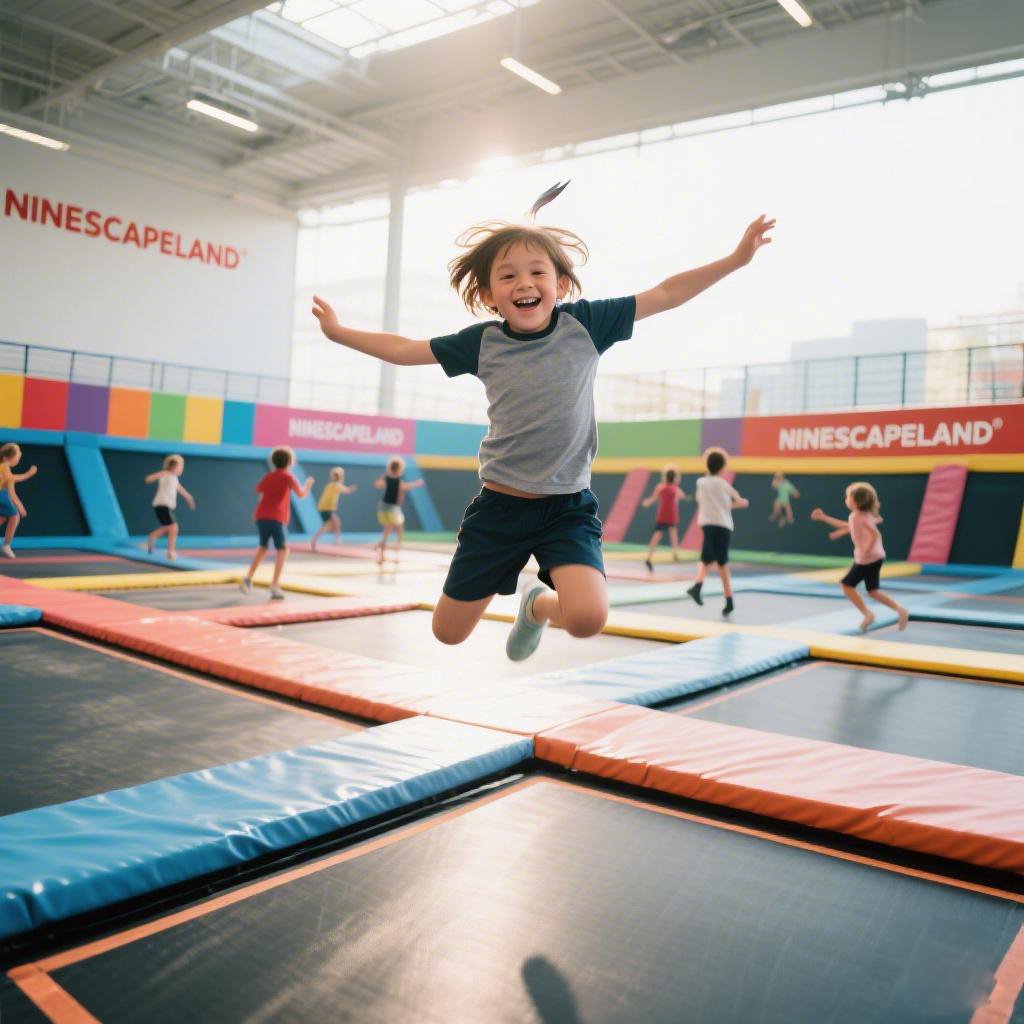
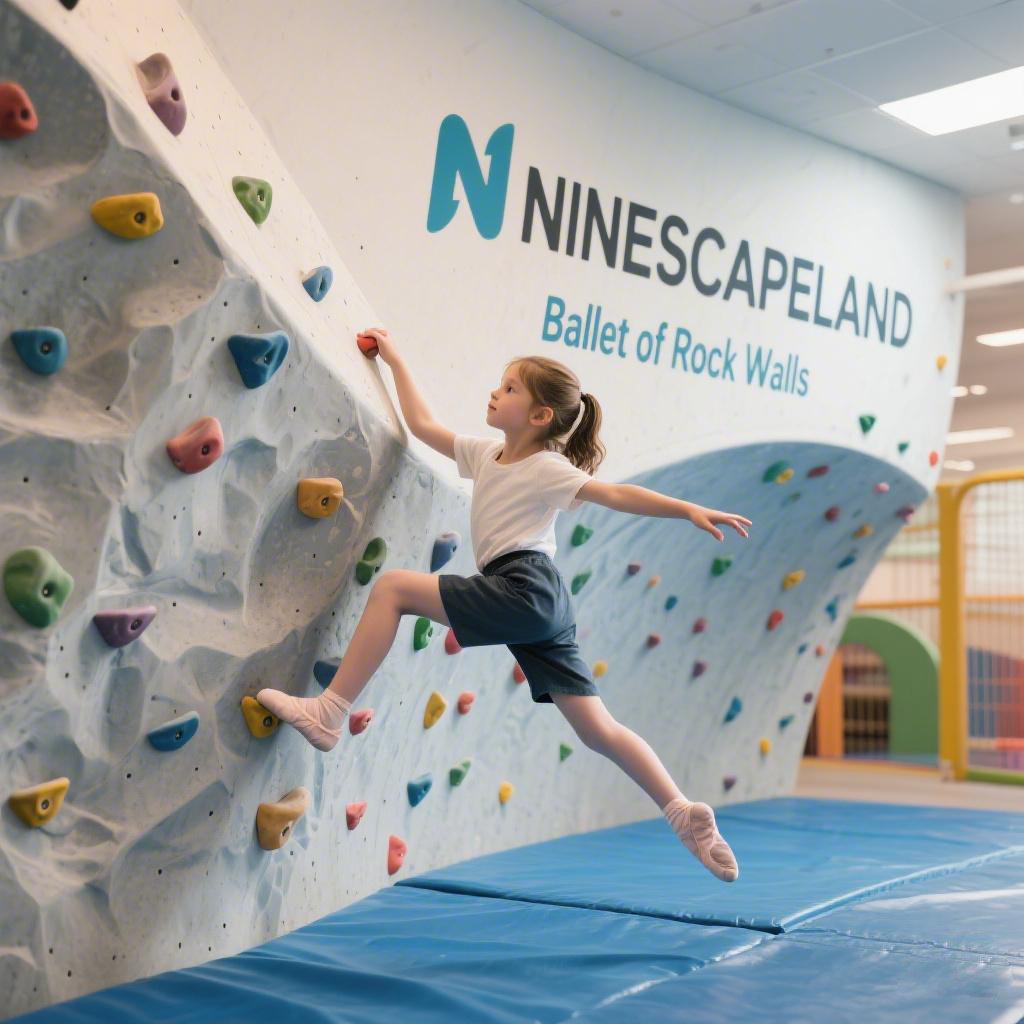
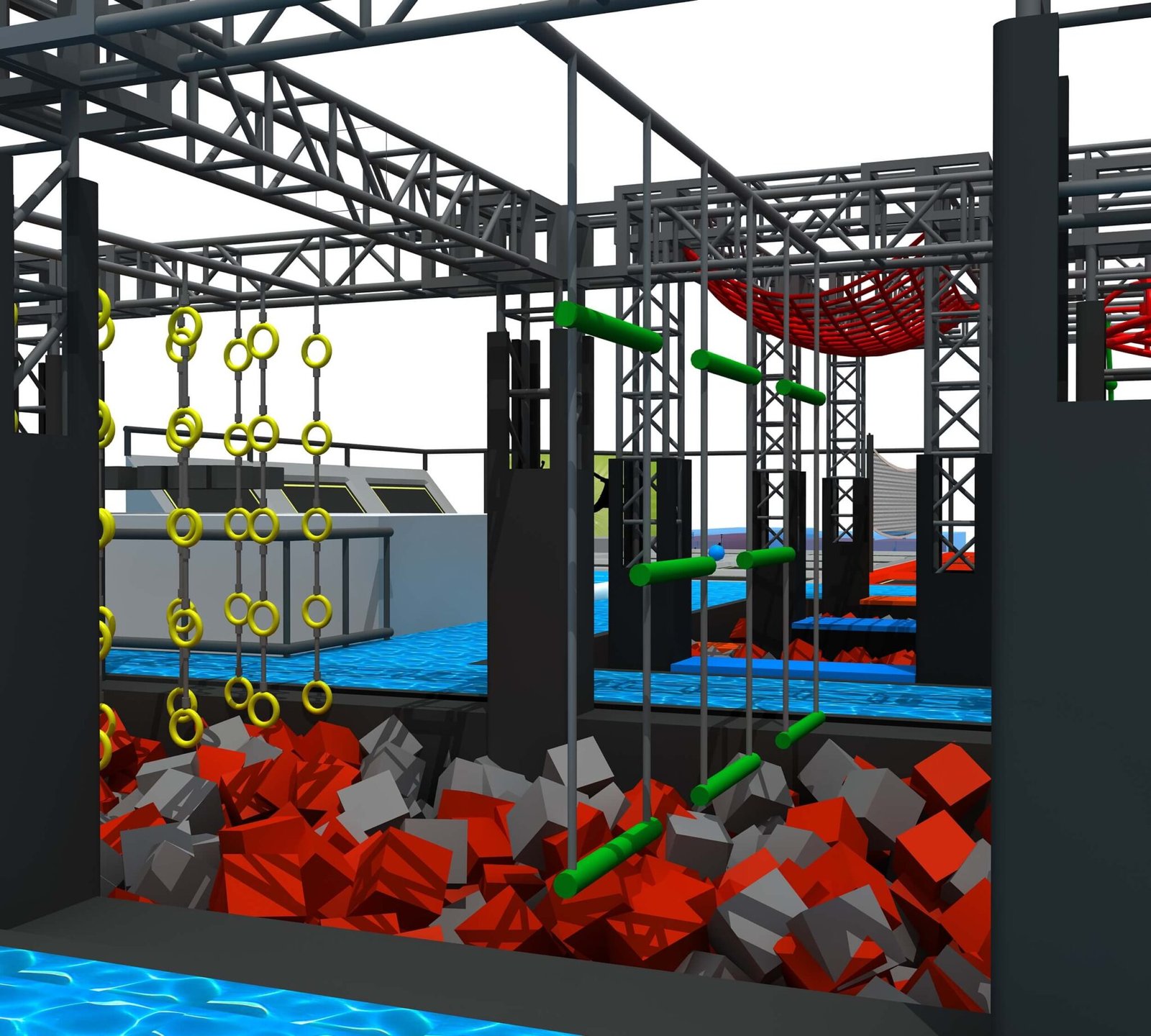
1. How to Open an Indoor Playground: 8 Essential Steps
Opening an indoor playground is a multi-stage project. Breaking it into smaller steps makes it easier to manage the budget, coordinate suppliers, and avoid expensive changes later.
Step 1: Define Your Business Concept
Decide what type of indoor playground you want to operate. Your concept will influence the equipment, target age group, ticket pricing, staffing, and overall layout.
For example, a toddler-focused soft play center may need low-height structures, sensory activities, and a separate area for parents. An adventure playground may require climbing challenges, trampolines, slides, and more active attractions.
Write down your intended customer group and the experience you want to provide before choosing equipment.
Step 2: Research Your Local Market
Study the population, family demographics, nearby schools, shopping centers, residential communities, and existing entertainment venues.
Visit competing playgrounds if possible. Observe their equipment, admission prices, opening hours, customer flow, party packages, and customer reviews.
The goal is to understand what customers already have access to and identify opportunities that competing venues are not addressing.
Step 3: Estimate Your Startup Budget
Prepare a budget that includes more than the equipment quotation. Consider rent deposits, renovation, freight, import-related costs, insurance, staff recruitment, marketing, and working capital.
Separate one-time startup expenses from recurring monthly operating expenses. This makes it easier to understand how much capital you need before opening and how much cash you need to keep the business running.
Step 4: Find a Suitable Location
Review the actual floor plan, ceiling height, structural columns, entrances, emergency exits, floor conditions, and building services.
A property may look large enough on paper but still be unsuitable for your planned equipment. Ask for a layout review before signing a lease whenever possible.
Step 5: Plan Your Equipment Layout
Choose equipment according to your target age group, business model, available space, and expected visitor experience.
A good layout should consider circulation, age separation, visibility for staff, access to attractions, parent seating, reception, and operational areas.
Do not fill every available square meter with play equipment. Visitors and staff need sufficient space to move around safely and comfortably.
Step 6: Check Local Requirements
Before construction or equipment installation, confirm the requirements that apply to the property and your business.
These may include building use, fire safety, emergency evacuation, accessibility, insurance, equipment standards, and inspections. Requirements differ by location, so consult the relevant local authorities or qualified professionals.
Step 7: Arrange Production, Shipping, and Installation
Once the layout and equipment configuration are confirmed, coordinate the design approval, deposit, manufacturing schedule, shipping arrangements, and site preparation.
Your local contractor may need to complete flooring, electrical work, lighting, ventilation, or other renovation before installation.
Step 8: Prepare for Opening
Before opening to the public, check the installed equipment, prepare staff procedures, arrange ticketing and payment systems, organize cleaning and maintenance schedules, and launch local marketing.
Allow time for inspections, staff training, operational testing, and final adjustments.
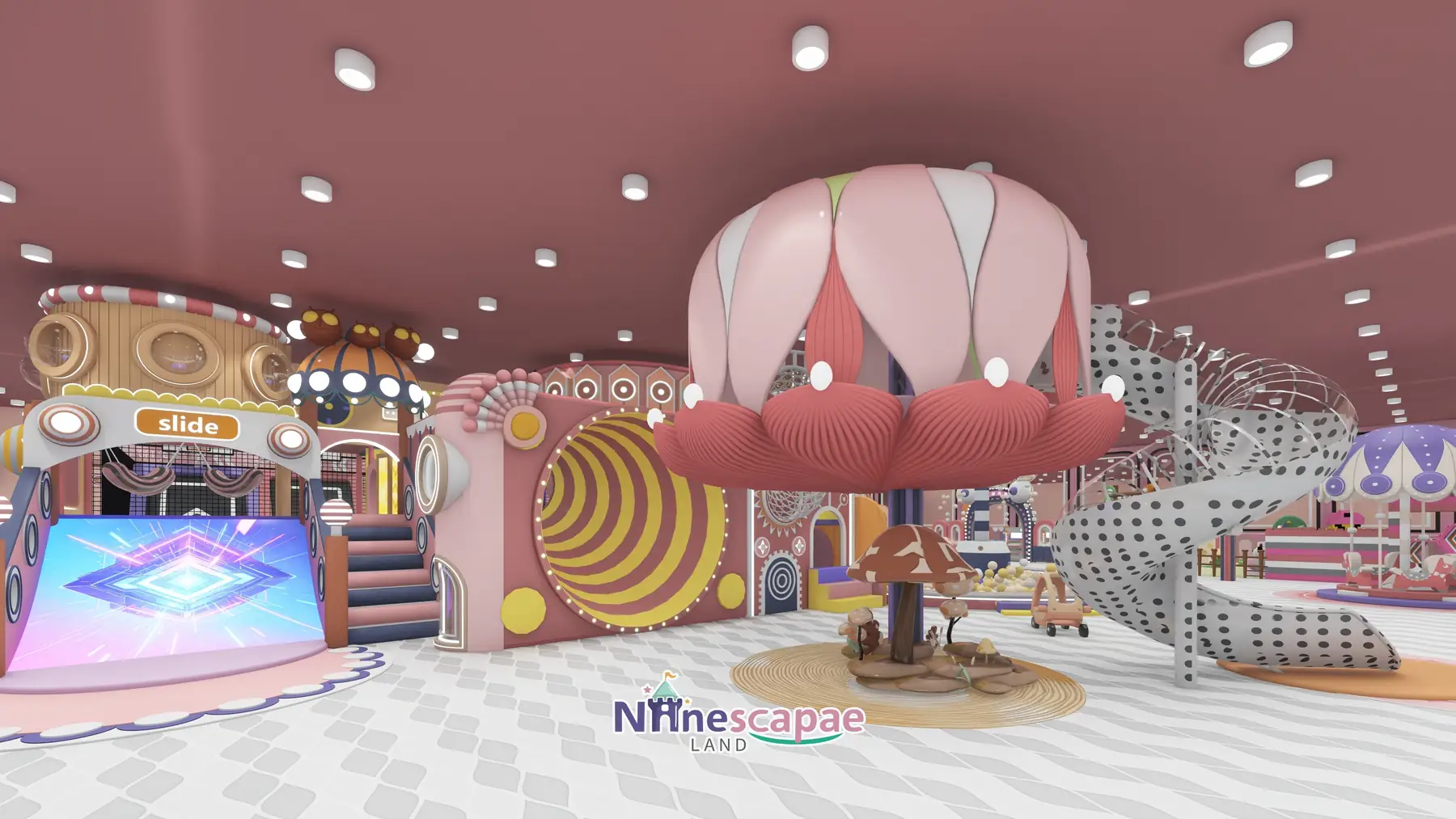
 Germany
1,035 m² · Family Play Centre
View case study →
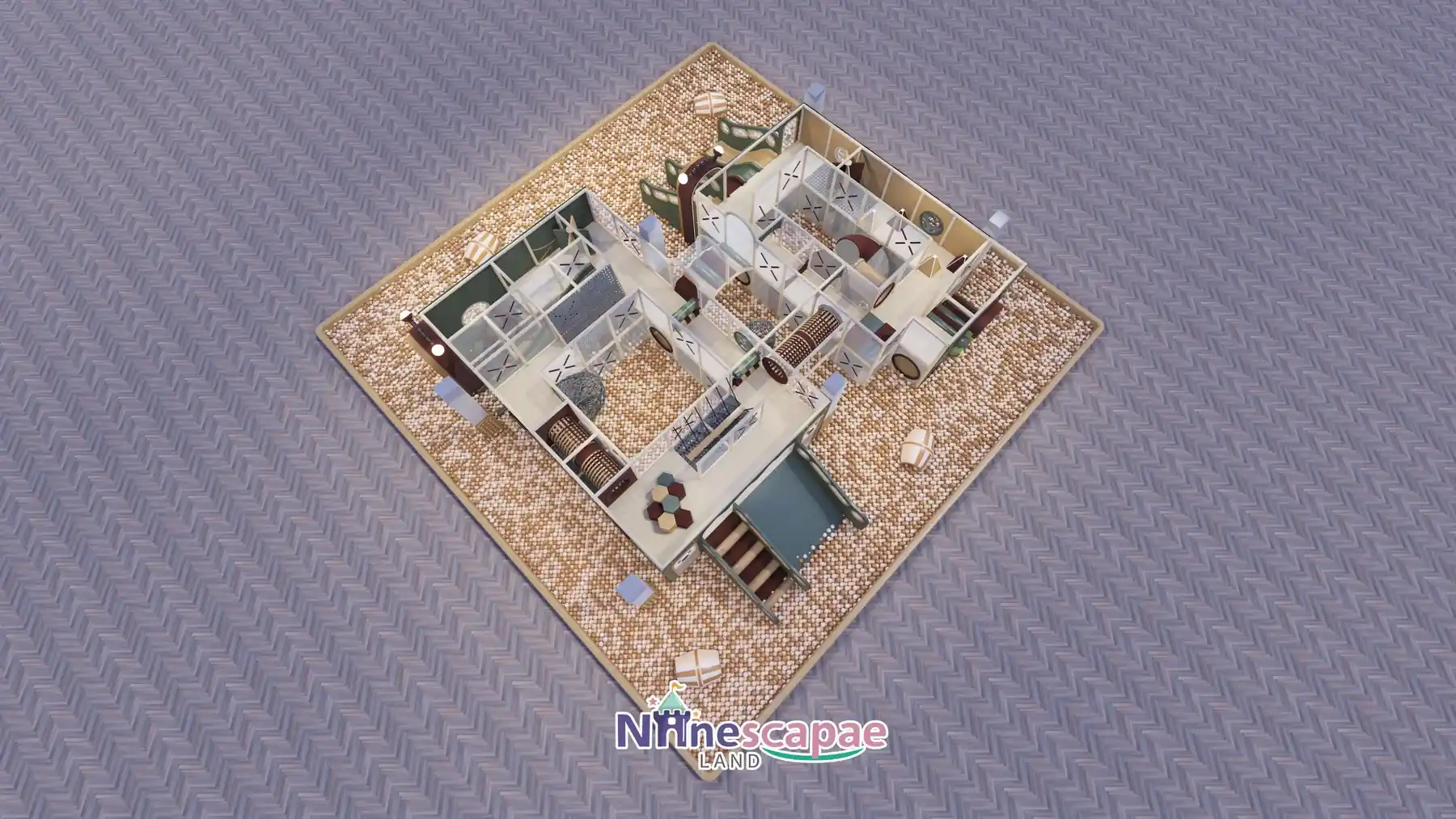
 Canada
1,300 m² · Family Play Centre
View case study →
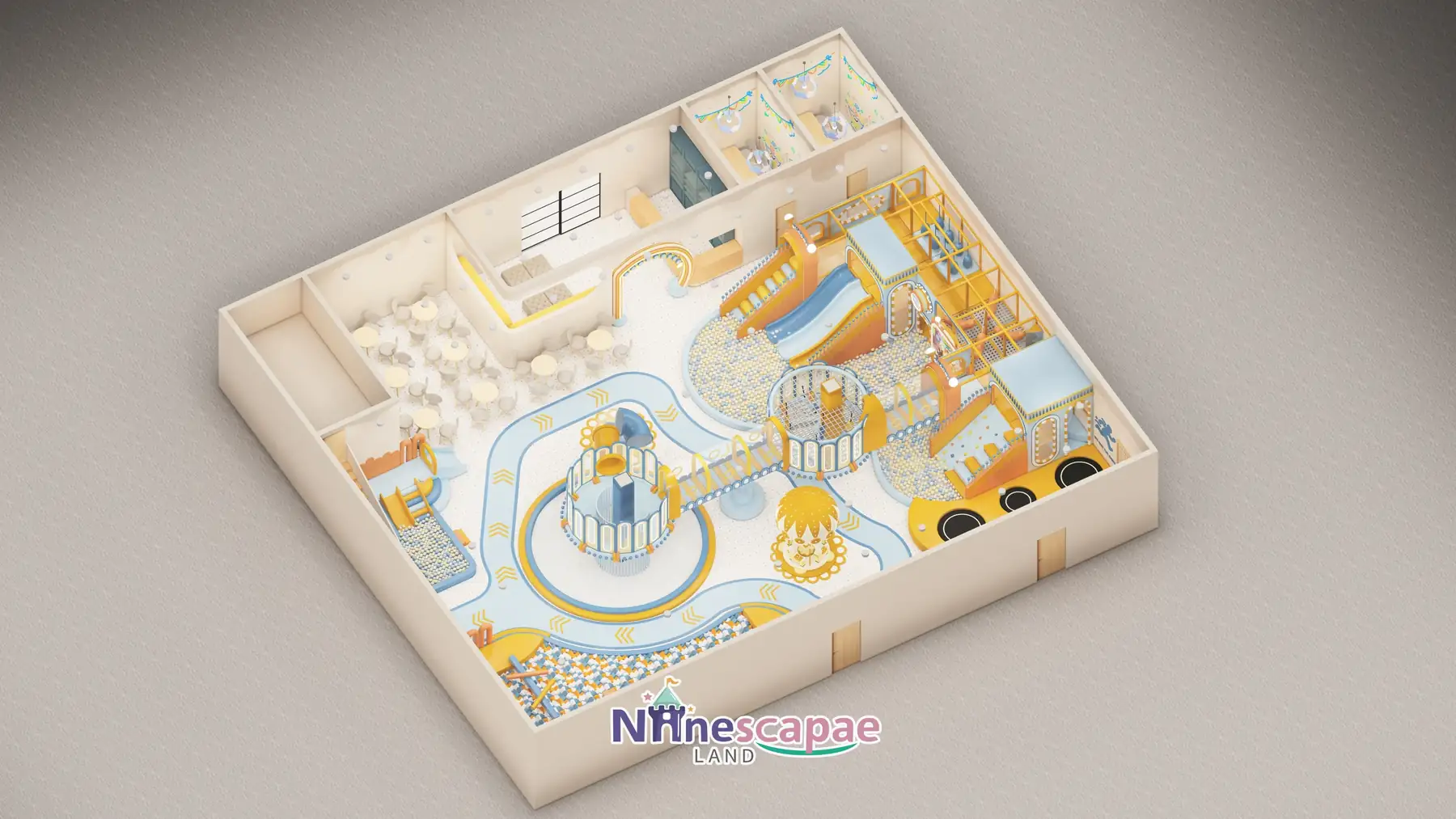
 Italy
324 m² · Soft Play Centre
View case study →
 USA
460 m² · Indoor Adventure Park
View case study →
2. Choose Your Indoor Playground Business Model
Your business model determines how customers use the venue and how the business generates revenue. It also influences the equipment mix, facility layout, staffing requirements, and marketing strategy.
Choose your main business model before finalizing the equipment plan.
Open-Play Playground
An open-play playground allows customers to purchase admission and use the play facilities during designated opening hours.
This model is common for soft play centres and general indoor playgrounds. It may work well in areas with sufficient family traffic and convenient access.
Consider how long customers are expected to stay, whether admission is charged by session or by day, and how visitor capacity will be managed.
Membership-Based Playground
Memberships encourage repeat visits by offering regular customers access through monthly or annual plans.
A membership model may help create a more predictable revenue base, but the pricing should reflect actual operating capacity and customer usage.
Think about visit limits, booking requirements, peak-hour restrictions, and membership benefits before introducing a plan.
Birthday Party Venue
Birthday parties can provide an additional revenue stream through party packages, room bookings, food, drinks, decorations, and organized activities.
If parties are part of your business plan, include suitable party rooms, seating, storage, and clear routes between the party area and play zones.
Play Café
A play café combines indoor play with food and beverage services.
This model may attract parents who want a place to relax while children play. However, food preparation, hygiene, seating, and the separation of food areas from active play zones require additional planning.
Group Activity Venue
Some indoor playgrounds serve schools, clubs, childcare groups, and organized events.
Group bookings may create additional demand during quieter periods, but you need a clear booking process, supervision arrangements, and capacity limits.
Mixed-Use Family Entertainment Venue
Some businesses combine several models, such as open play, birthday parties, memberships, and café services.
Larger family entertainment centres (FECs) may also include arcade games, trampolines, interactive attractions, and other entertainment categories. These projects require a broader equipment and operating strategy.
For a more detailed discussion of FEC planning, equipment combinations, and investment considerations, see our separate Family Entertainment Center Business Plan guide.
3. Research Your Market and Target Customers
Market research helps you understand whether there is sufficient local demand for your indoor playground and what kind of venue customers are likely to use.
Do not assume that a large population automatically means a profitable playground. The local market may already have several established competitors, or the surrounding customer base may prefer other forms of entertainment.
Start by identifying your target customers.
Define Your Target Age Groups
Different age groups have different play preferences and supervision requirements.
| Target Group | Potential Interests | Planning Considerations |
| Toddlers | Soft play, sensory panels, low slides | Lower-height equipment and parent visibility |
| Preschool children | Ball pits, tunnels, small climbing structures | Variety of activities and clear age separation |
| School-age children | Slides, climbing, trampolines, obstacle courses | More challenging attractions |
| Families | Mixed-age activities and shared play areas | Flexible layouts and parent seating |
| Organized groups | Group activities and scheduled sessions | Booking, supervision, and capacity management |
You do not need to serve every age group. A focused venue can be easier to design and operate than a playground trying to provide every possible attraction.
Study Local Competitors
Identify existing indoor playgrounds, soft play centers, trampoline parks, family entertainment centers, and other attractions in your target area.
Compare:
- Admission prices and membership options
- Main attractions and equipment categories
- Target age groups
- Opening hours and peak periods
- Birthday party packages
- Customer reviews and recurring complaints
- Parking, public transport, and accessibility
Look for gaps in the local market. For example, existing venues may focus on toddlers while older children have fewer options. Another area may have several large playgrounds but limited birthday party facilities.
These observations can help you decide how to position your business.
Estimate Customer Demand
Use several sources rather than relying on one population figure.
You can review local demographic information, nearby schools, residential developments, shopping centre traffic, online searches, community groups, and customer interviews.
If possible, speak directly with parents and families. Ask what they currently use, what they dislike about existing venues, how far they are willing to travel, and what types of activities they would pay for.
Review Pricing and Revenue Opportunities
Competitor pricing can provide a useful starting point, but do not copy another venue’s prices without understanding its operating costs.
Compare admission fees, memberships, party packages, group bookings, food and beverage sales, and additional paid activities.
Your pricing should reflect the experience offered, operating costs, local purchasing power, and expected visitor demand.
4. Choose the Right Location and Space
The property is one of the most important decisions in an indoor playground project. A suitable building should support the planned equipment, visitor circulation, staff supervision, and local building requirements.
Before signing a lease, request a floor plan and check the following conditions.
Usable Floor Area
Do not use the total property area as the playground equipment area.
You may need to reserve space for:
- Reception and ticketing
- Parent seating and waiting areas
- Party rooms
- Storage
- Toilets and changing facilities
- Staff and operational areas
- Walkways and circulation
- Emergency exits and access routes
The usable play area is the space remaining after these functions are considered.
Ceiling Height
Ceiling height affects which equipment can be installed and how the play structure can be designed.
A low ceiling may restrict multi-level structures, tall slides, climbing elements, and certain attractions. Measure the actual clear height, taking beams, lighting, pipes, and other overhead obstacles into account.
Columns and Structural Obstacles
Structural columns, beams, pipes, and fixed building features can affect equipment placement.
A layout should work around these restrictions rather than simply placing a standard structure into the room. Provide accurate measurements and photographs to the designer or manufacturer.
Entrances, Exits, and Circulation
Plan how visitors enter, move between play zones, access seating, and leave the venue.
Emergency exits and required access routes must remain available. Do not allow equipment, furniture, or decorative structures to obstruct them.
Floor and Building Conditions
Check the floor condition, loading requirements where relevant, electrical supply, ventilation, air conditioning, lighting, and other building services.
The property may also need renovation before equipment installation. Include these works in the project budget and schedule.
Real Project Examples: Why Layout Matters
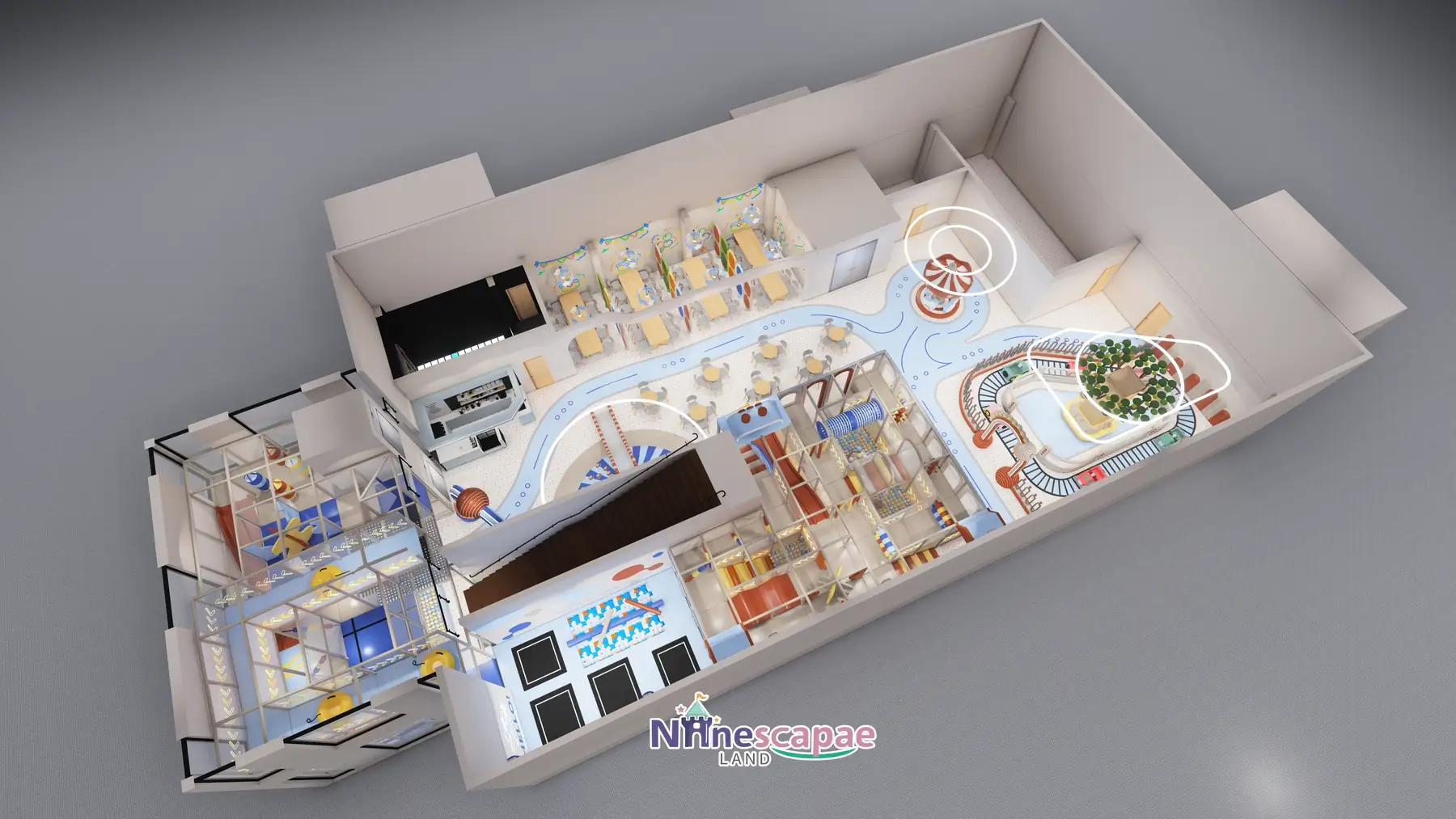
A 310 m² indoor playground in Thailand demonstrates how a design can adapt to an irregular space with multiple corners and a partial second floor. The project combines soft play, a ninja foam-pit zone, a trampoline area, a taekwondo room, and role-play areas.
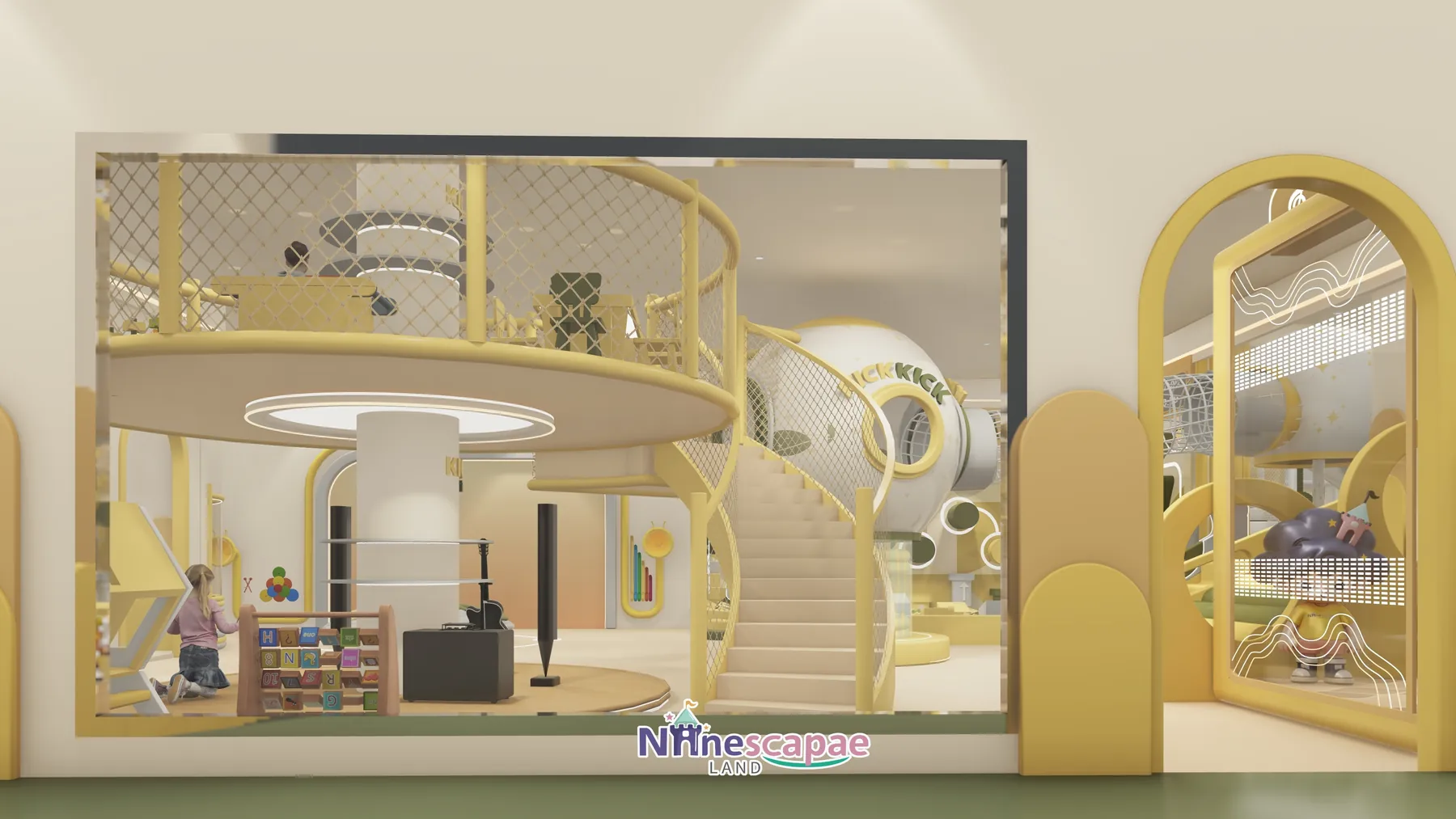
A 460 m² indoor adventure park in the USA uses a connected layout to combine ball-pool slides, a trampoline area, a climbing wall, a sand pool, a foam pit, and a party room.
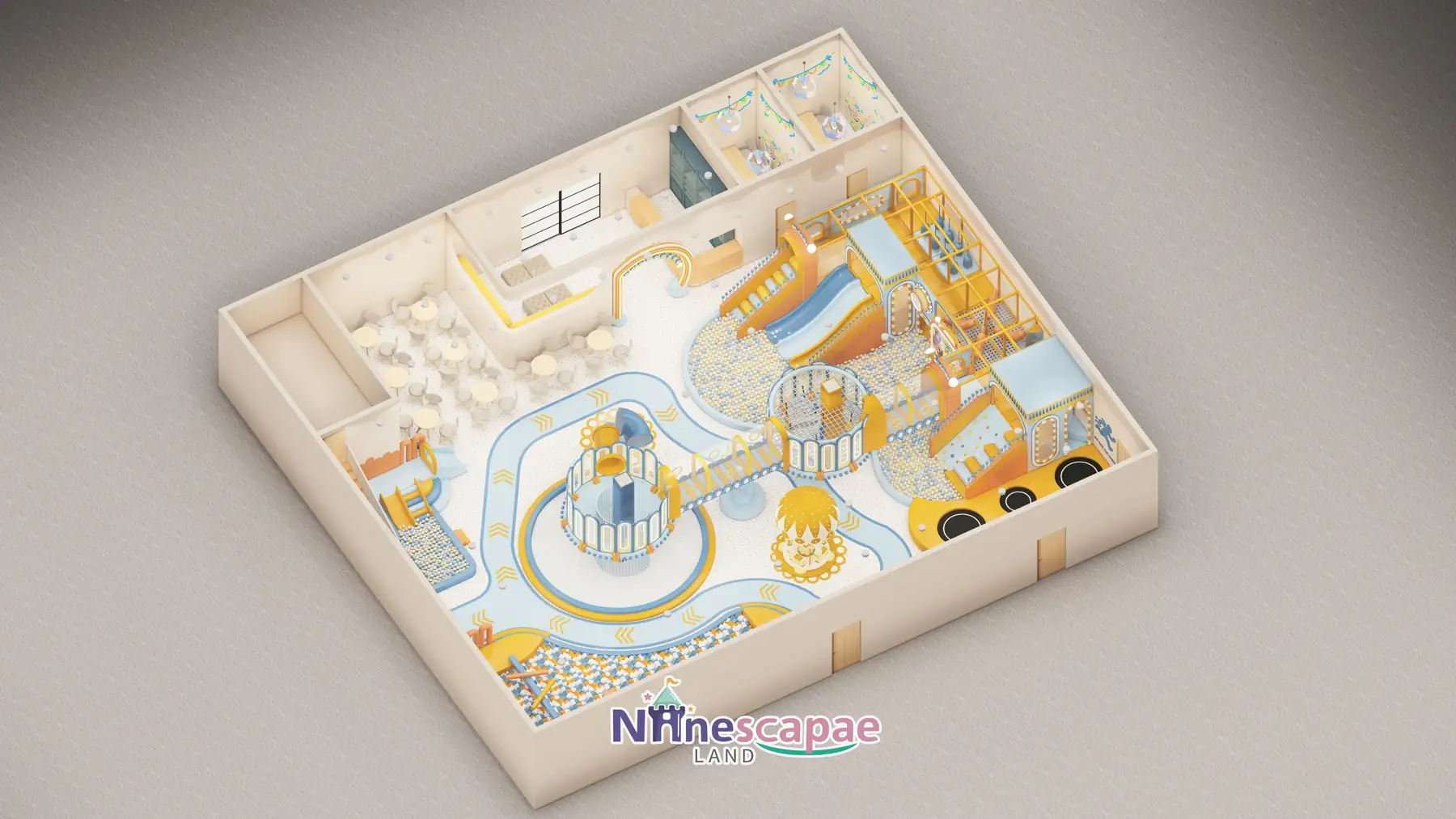
These examples show why equipment planning should start with the actual floor plan rather than a general square-metre estimate.
5. Indoor Playground Business Plan Template: 10 Essential Sections
If you are preparing an indoor play area business plan, use the following ten sections as a practical framework to organize your project concept, market research, equipment requirements, and financial assumptions.
A business plan does not need to be complicated, but it should explain how the venue will operate, who it will serve, what it will cost, and how it expects to generate revenue.
1. Executive Summary
Summarize the business concept, proposed location, target customers, main attractions, investment requirements, and opening objectives.
Keep this section concise. It should give a reader a clear overview of the project before they review the detailed sections.
2. Business Description and Model
Explain what type of indoor playground you plan to operate.
Describe whether it will focus on open play, memberships, birthday parties, a play café, group activities, or a combination of these services.
Include your positioning and the main reason customers should choose your venue.
3. Market Research
Describe your target customers, local demand, competing venues, market pricing, and potential gaps in the market.
Use local observations and available data to support your assumptions rather than relying only on general statements about the indoor playground industry.
4. Location and Facility Plan
Describe the proposed location, usable floor area, ceiling height, access, building conditions, and surrounding customer base.
Include a floor plan if available. Identify any restrictions that may affect the equipment layout.
5. Equipment and Layout Plan
List the equipment categories and play zones you intend to include.
Explain how the equipment supports your target age groups and business model. Include layout drawings or 3D design references when available.
6. Marketing and Customer Acquisition
Describe how you plan to attract customers before and after opening.
Potential channels include local search, social media, community partnerships, school relationships, opening promotions, membership offers, and birthday party packages.
Your marketing plan should identify the target audience, main message, promotional channels, and estimated costs.
7. Operations and Staffing
Explain opening hours, staff roles, ticketing, customer service, cleaning, equipment checks, maintenance, and visitor management.
Consider how many staff members are required during normal periods and peak periods.
8. Safety and Compliance
List the local approvals, building requirements, fire safety arrangements, insurance, equipment documentation, and inspection procedures that need to be addressed.
The exact requirements should be verified for the project location.
9. Startup Budget and Funding
Prepare a detailed estimate of equipment, freight, renovation, property costs, professional services, operating setup, staffing, and working capital.
Identify how the project will be funded and which expenses must be paid before opening.
10. Financial Forecast and Risk Assessment
Estimate revenue, operating expenses, cash flow, and the point at which the business may cover its ongoing costs.
Include realistic assumptions and consider risks such as lower-than-expected visitor numbers, seasonal demand, rent increases, equipment maintenance, and delays.
Make Your Business Plan Practical
A useful business plan should connect the business model, floor plan, equipment quotation, and financial forecast.
For example, if you expect to generate a significant share of revenue from birthday parties, your layout should include suitable party space and your financial forecast should include realistic booking assumptions.
If the venue depends mainly on repeat visits, your marketing and membership strategy should explain how you will encourage customer retention.
6. Indoor Playground Startup Costs: What Should You Budget For?
The total startup investment includes much more than the playground equipment itself.
A common budgeting mistake is to use the equipment quotation as the total project budget. In reality, the equipment price may represent only one part of the money needed to prepare the venue and start operating.
The following categories can help you build a more complete estimate.
1. Playground Equipment
This is the cost of the main play structures and attractions.
Depending on your concept, the equipment may include soft play structures, slides, ball pits, trampolines, climbing elements, ninja courses, toddler equipment, or interactive attractions.
The final price depends on the equipment configuration, dimensions, materials, structure height, customization, and project requirements.
2. Freight and Logistics
For imported equipment, consider sea freight, inland transportation, port handling, delivery, and other logistics charges.
The actual shipping cost depends on the destination, shipment volume, shipping arrangements, and delivery conditions.
3. Customs and Import-Related Costs
Depending on the destination country, you may need to budget for customs clearance, import duties, taxes, inspection charges, and other local import-related fees.
These costs should be checked with a customs broker or qualified local service provider.
4. Renovation and Fit-Out
A commercial property may need preparation before equipment installation.
Possible costs include:
- Floor preparation and flooring
- Electrical work
- Lighting
- Ventilation and air conditioning
- Painting and decoration
- Partitions and reception construction
- Signage
- Fire safety-related work where required
The renovation budget depends on the condition of the property and the local contractor's scope.
5. Property Costs
Include rent deposits, advance rent, property management charges, and other costs required to secure the premises.
Some landlords may require additional payments before the venue can begin operating. Confirm the payment schedule before signing the lease.
6. Professional Services
Depending on the project, you may need to pay for design, engineering review, architectural services, legal advice, accounting, or other professional support.
Do not assume these services are included in the equipment quotation.
7. Operating Equipment and Systems
A playground may need ticketing and POS systems, computers, CCTV, furniture, storage equipment, communication systems, and other operational tools.
List these items separately so they are not overlooked during budgeting.
8. Staffing and Training
Consider recruitment, staff training, salaries, uniforms, and other employment-related costs.
The number of staff required depends on venue size, operating hours, visitor capacity, and the services you provide.
9. Licenses and Insurance
Budget for applicable permits, inspections, insurance policies, and professional compliance support.
The exact requirements depend on the country, local authority, property, and business activities.
10. Working Capital
Working capital is the cash reserve needed to keep the business running after opening.
It may cover rent, salaries, utilities, marketing, cleaning supplies, maintenance, and other regular expenses.
Do not use all available funds to purchase equipment and renovate the venue. A business needs sufficient cash to operate while customer demand develops.
Separate Equipment Cost, Landed Equipment Cost, and Total Startup Investment
For clearer budgeting, divide the project into three financial levels.
Equipment Cost
The price of the playground equipment supplied by the manufacturer.
Landed Equipment Cost
The equipment price plus the applicable freight, insurance, customs duties, taxes, clearance, and delivery costs required to bring the equipment to the agreed destination.
Total Startup Investment
The landed equipment cost plus property expenses, renovation, professional services, operating setup, staffing, licenses, insurance, and working capital.
These figures should not be treated as interchangeable. A supplier's equipment quotation does not represent the full cost of opening a venue.
Indoor Playground Startup Budget Worksheet
Use the following table to build your initial project estimate.
| Budget Item | Estimated Cost | Confirmed Cost | Notes |
| Playground equipment | Manufacturer quotation | ||
| Sea freight | Shipping quotation | ||
| Customs and import costs | Confirm locally | ||
| Destination delivery | Local logistics | ||
| Renovation and fit-out | Contractor quotation | ||
| Rent deposit and advance rent | Lease terms | ||
| Professional services | Design, engineering, legal | ||
| POS and operating systems | Ticketing and management | ||
| Furniture and fixtures | Reception and seating | ||
| Staff recruitment and training | Pre-opening expenses | ||
| Licenses and insurance | Local requirements | ||
| Initial marketing | Opening campaign | ||
| Working capital | Operating cash reserve | ||
| Contingency | Unexpected expenses | ||
| Total |
How to Estimate Your Investment Recovery Period
A simplified calculation is:
Estimated Recovery Period = Initial Investment ÷ Average Monthly Cash Flow Available to Recover the Investment
For example, if a project has an initial investment of US150,000 and generates an average of US7,500 per month in cash flow available to recover that investment, the simplified calculation is:
US150,000 ÷ US7,500 = 20 months.
This example is for illustration only. It does not represent a guaranteed recovery period or a forecast for a specific project.
Your actual calculation should account for operating expenses, taxes, financing costs, maintenance, seasonal demand, and cash reserves.
7. Indoor Playground Equipment List and Historical Price References
The equipment mix should reflect your target age group, business model, available floor area, and the experience you want to offer.
A playground designed for toddlers will have different equipment requirements from an adventure park aimed at older children. Similarly, a venue focused on birthday parties may need more party space and group activities than a facility built mainly for open play.
Common Indoor Playground Equipment Categories
Soft Play Equipment
Soft play structures may include padded obstacles, soft steps, tunnels, climbing elements, bridges, and interactive play features.
They are commonly used in toddler play areas, preschool play zones, and general indoor playgrounds.
Toddler Play Equipment
Toddler equipment is generally designed around younger children's physical abilities and play needs. It may include low-height slides, sensory panels, small climbing elements, and age-appropriate activity features.
A separate toddler zone can help organize different age groups and create a more suitable play environment.
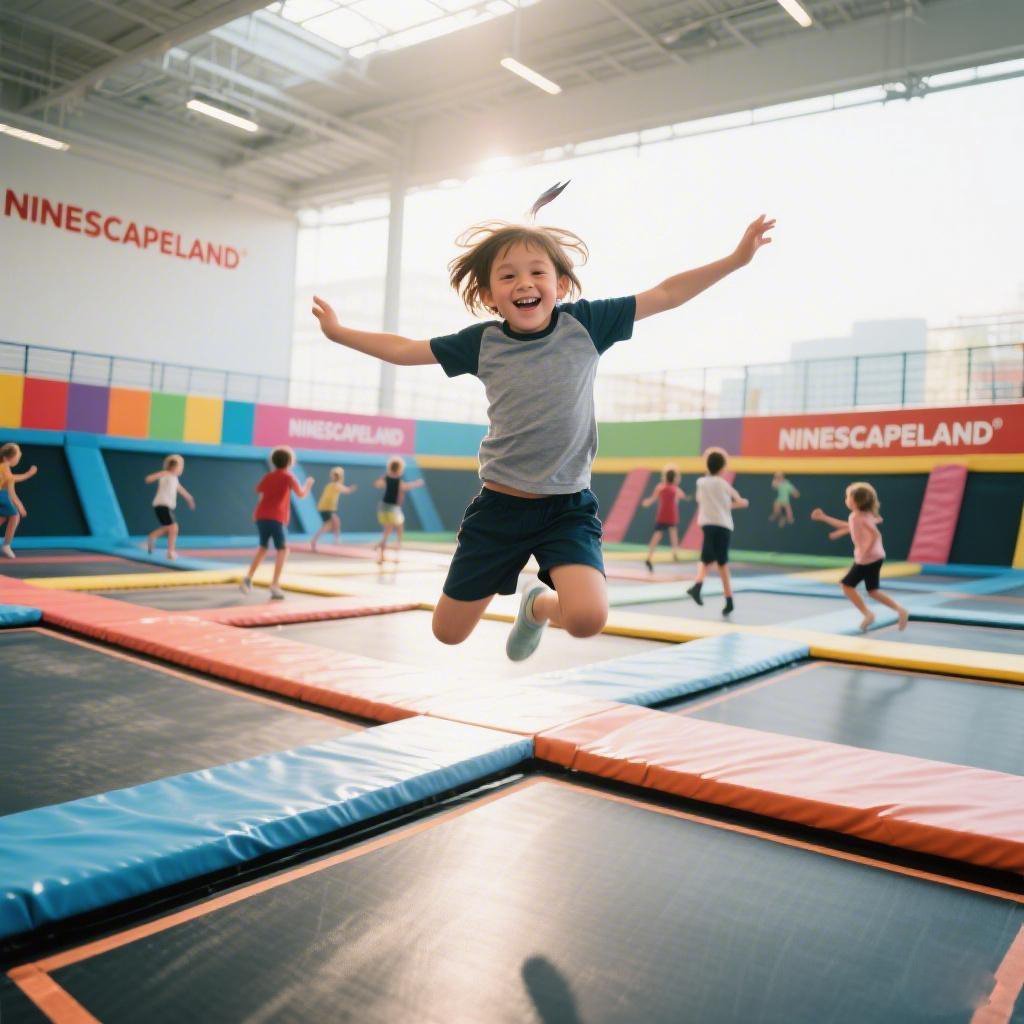
Trampoline Equipment
Trampoline attractions may include connected jumping beds, basketball trampolines, dodgeball areas, and other active play features.
The layout should consider access, supervision, and separation from other play activities.
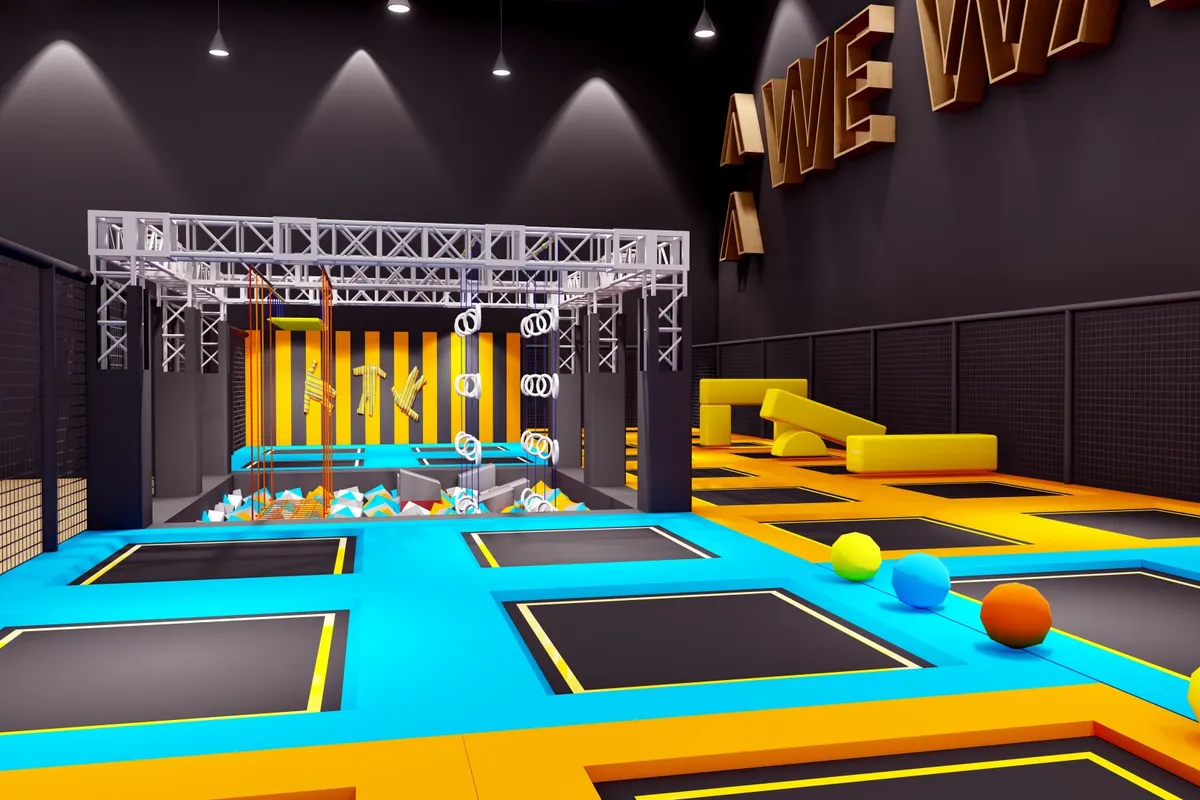
Ninja Course Equipment
Ninja courses use obstacle-based activities such as climbing challenges, balance elements, hanging obstacles, and foam pits.
They may appeal to older children and visitors looking for more physically challenging activities.
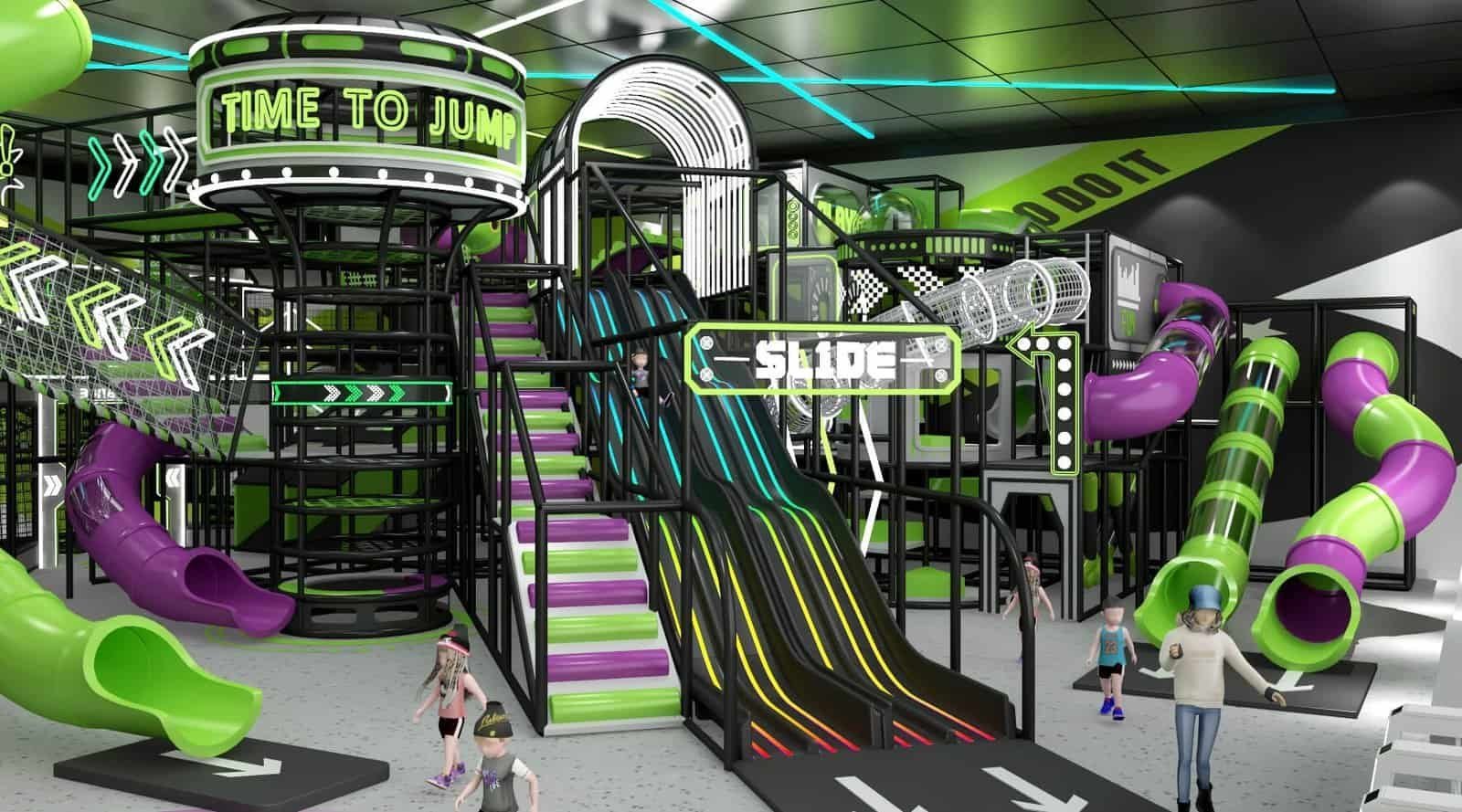
Ball Pits and Slides
Ball pits can be integrated with multi-level structures, tunnels, slides, and climbing elements.
Their design should consider the overall circulation, access, supervision, and maintenance requirements.
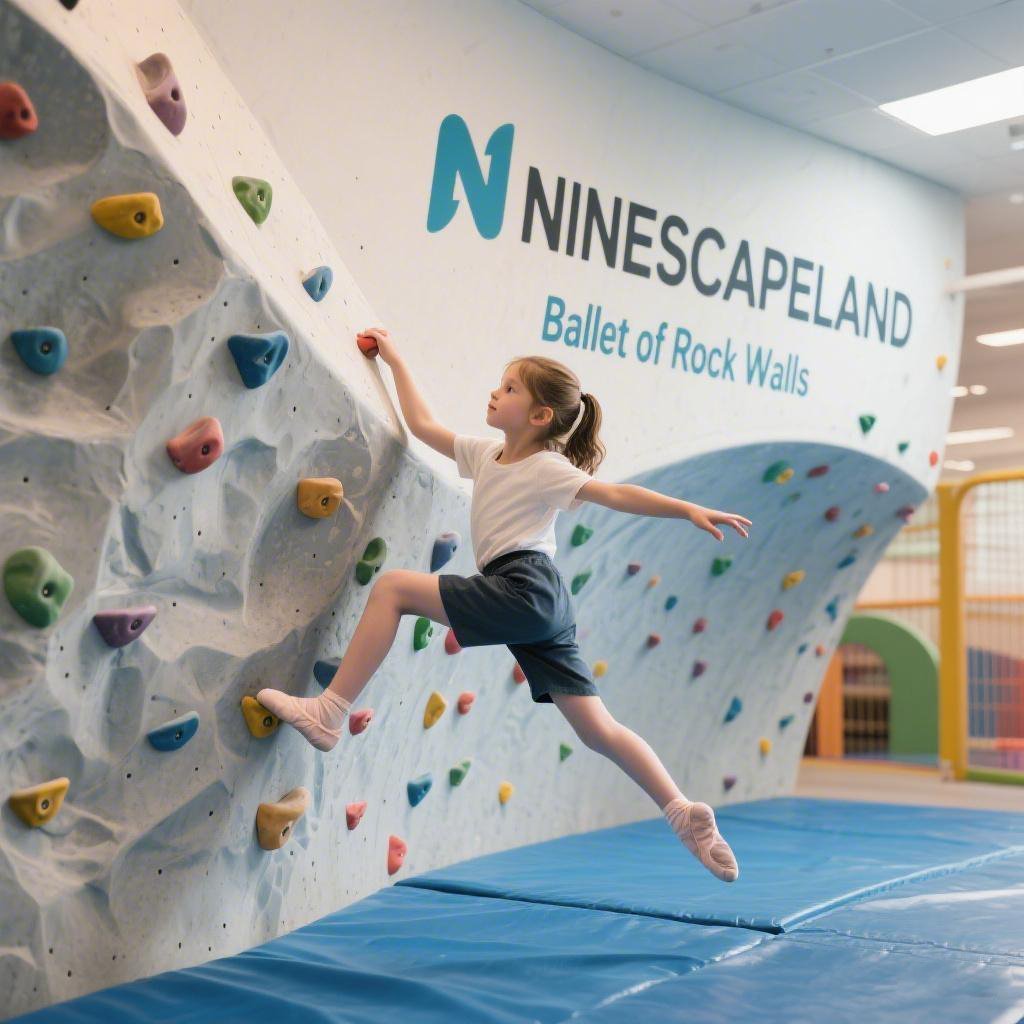
Climbing Equipment
Climbing attractions may include climbing walls, net bridges, climbing frames, and other structures.
The suitable configuration depends on the target age group, available height, and project design.
Interactive Equipment
Interactive attractions may include projection-based games, interactive walls, electronic play features, and other technology-supported activities.
They can add variety to a venue, but their suitability depends on the target customers, budget, and maintenance arrangements.
Historical FOB Equipment Price References
The following figures come from selected completed NINESCAPELAND projects. They are provided as historical equipment price references to help buyers understand how project size and equipment configuration can affect the equipment budget.
| Project Reference | Project Area | Historical FOB Equipment Price |
| Toddler playground project | 90 m² | US$32,000 |
| Italy compact playground project | 200 m² | US$35,000 |
| Trampoline + playground project | 200 m² | US$69,000 |
| Indoor playground project | 500 m² | US$65,200 |
| Brazil indoor playground project | 550 m² | US$69,800 |
Important pricing notes:
- All figures are historical FOB equipment price references in USD.
- They refer to selected completed projects, not standardized price-per-square-metre rates.
- They are not current quotations or guaranteed prices for new projects.
- Equipment configuration, structure height, materials, theming, customization, and project requirements affect the final quotation.
- FOB prices do not automatically include sea freight, insurance, import duties, local taxes, customs clearance, destination delivery, local construction, or installation.
- Current quotations should be prepared against the buyer's actual floor plan, ceiling height, equipment list, and destination port.
A 200 m² project with a trampoline area and more complex equipment may cost more than a compact soft play project of the same area. This is why buyers should compare equipment configuration and supply scope rather than relying only on project size.
Compare Equipment Quotations Carefully
When requesting quotations from different manufacturers, compare the same scope of supply.
| Comparison Item | What to Confirm |
| Equipment configuration | Exact attractions, quantities, dimensions, and layout |
| Materials | Steel structure, padding, surface materials, and finishing |
| Safety padding | Coverage, specifications, and finishing details |
| Design service | Whether 2D layouts and 3D design are included |
| Packaging | Export packaging and loading arrangements |
| Price terms | Whether the quotation is EXW, FOB, CIF, or another agreed term |
| Shipping | Whether freight and destination charges are included |
| Installation | Whether installation is included or separately quoted |
| Warranty and support | Written warranty scope, exclusions, and after-sales arrangements |
| Spare parts | Availability and replacement process |
| Production schedule | Production lead time after design confirmation and deposit |
A lower initial quotation does not always mean a lower total project cost. One supplier may quote only the main structure, while another may include additional attractions, padding, accessories, or other components.
Ask for an itemized quotation whenever possible. Confirm what is included, what is excluded, and which responsibilities belong to the supplier or buyer.
Review Completed Project Examples
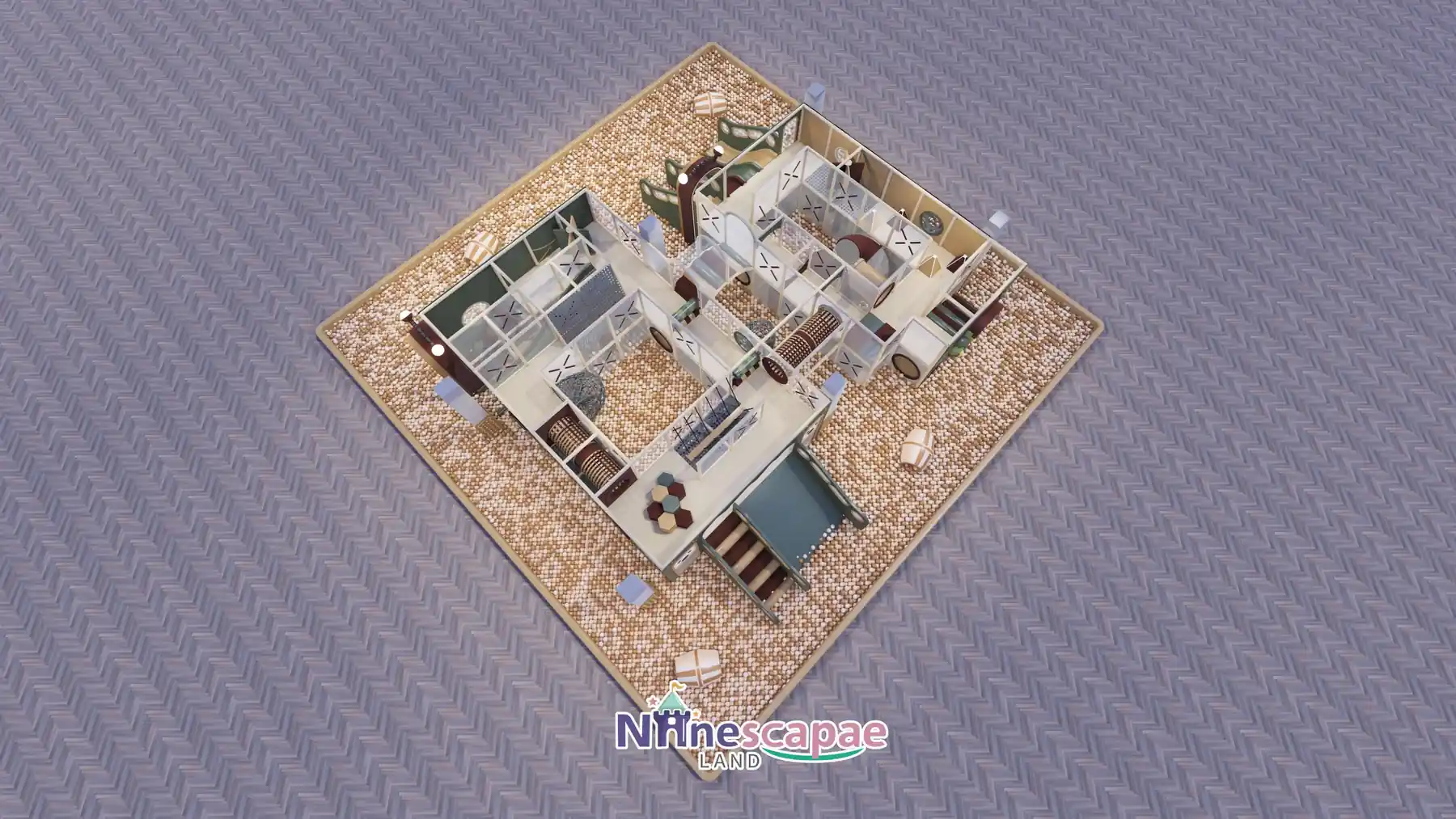
For a real-world example of a soft play configuration, see a 324 m² soft play centre in Italy. The project includes a large ball pool, a multi-level maze structure, slide combinations, soft steps, and climbing elements.
For a mixed-attraction venue, a 500 m² indoor playground in Serbia combines a multi-level climbing structure, slides, trampolines, a foam pit, toddler play, and dining space.
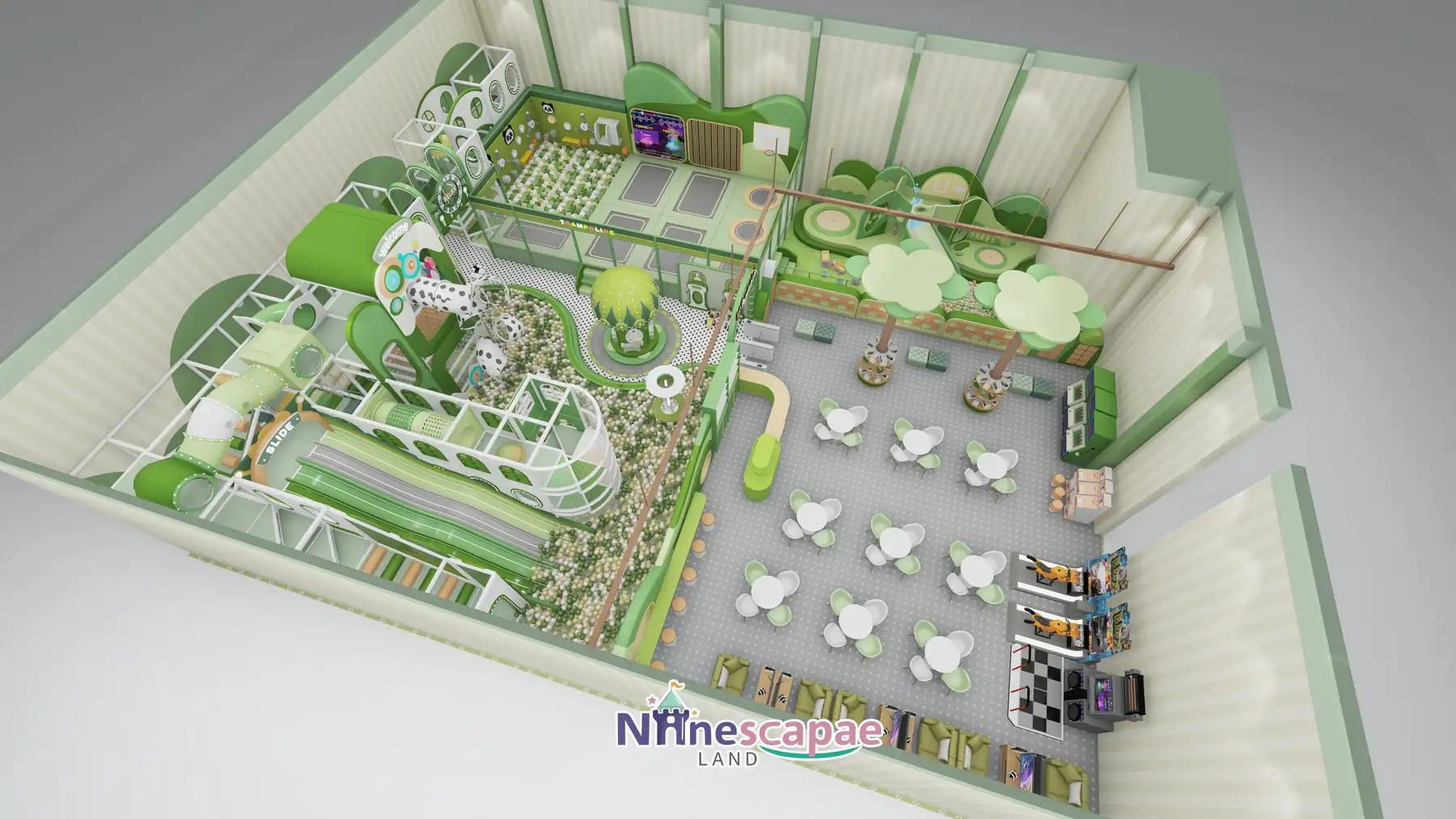
These examples help buyers understand how different attractions can be combined within a project. The actual equipment list and quotation should always be based on the requirements of the new venue.
8. How to Choose an Indoor Playground Manufacturer
Choosing an indoor playground manufacturer is an important purchasing decision. The supplier should be able to understand your project requirements and support the process from equipment planning through production and delivery.
Do not evaluate a manufacturer based only on its website photos or the lowest quotation. Consider manufacturing capability, relevant project experience, safety documentation, design support, communication, and after-sales arrangements.
1. Check Manufacturing Capability
Ask whether the supplier manufactures its own equipment or mainly outsources production.
If possible, review the factory facilities, production processes, material handling, quality control, and packaging arrangements.
You should also understand which parts of the project are produced in-house and which may be supplied by external partners.
2. Review Relevant Project Experience
Look for completed projects that are similar to your venue in size, equipment type, target age group, or business model.
A manufacturer with experience in soft play may not necessarily have the same experience in trampoline parks or complex adventure attractions.
Ask for project examples that demonstrate the supplier's ability to handle your intended equipment categories and site conditions.
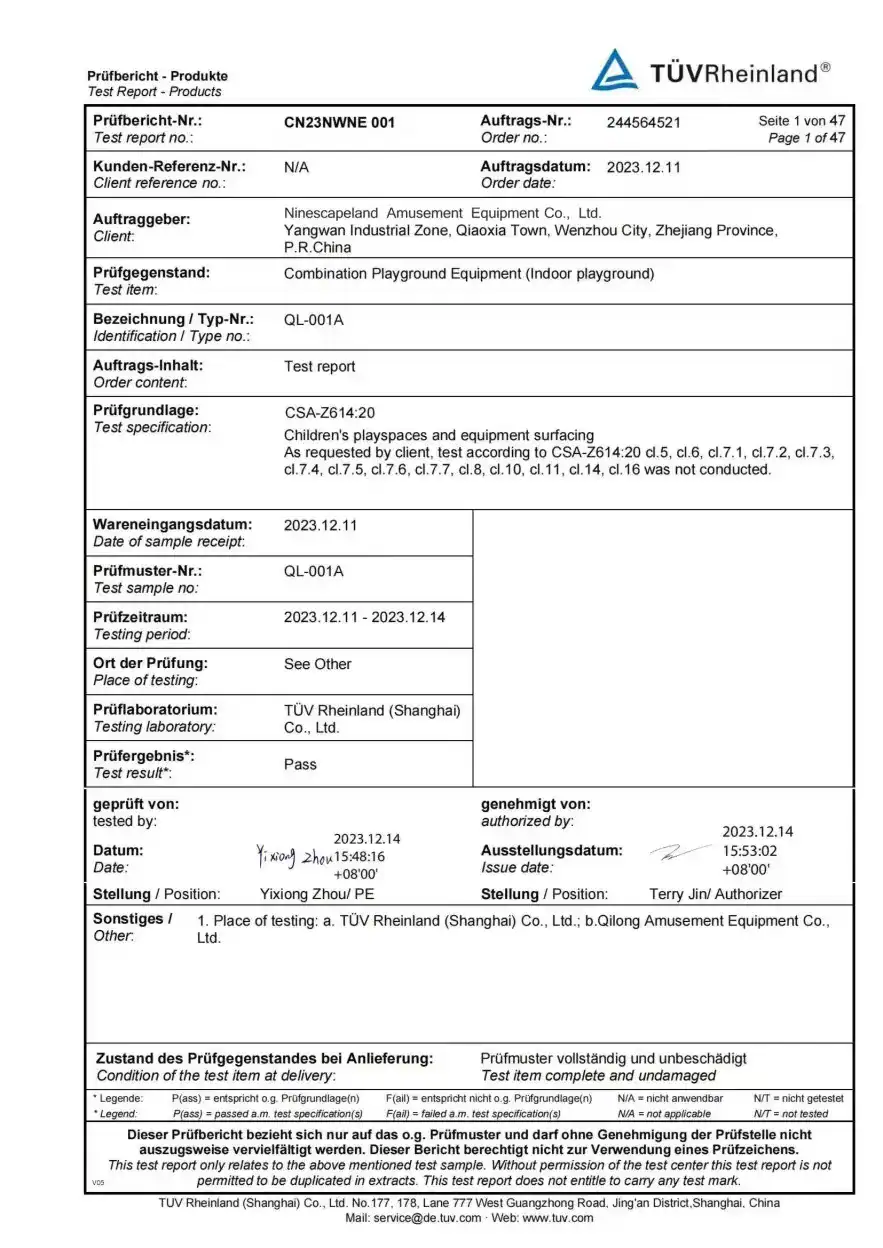
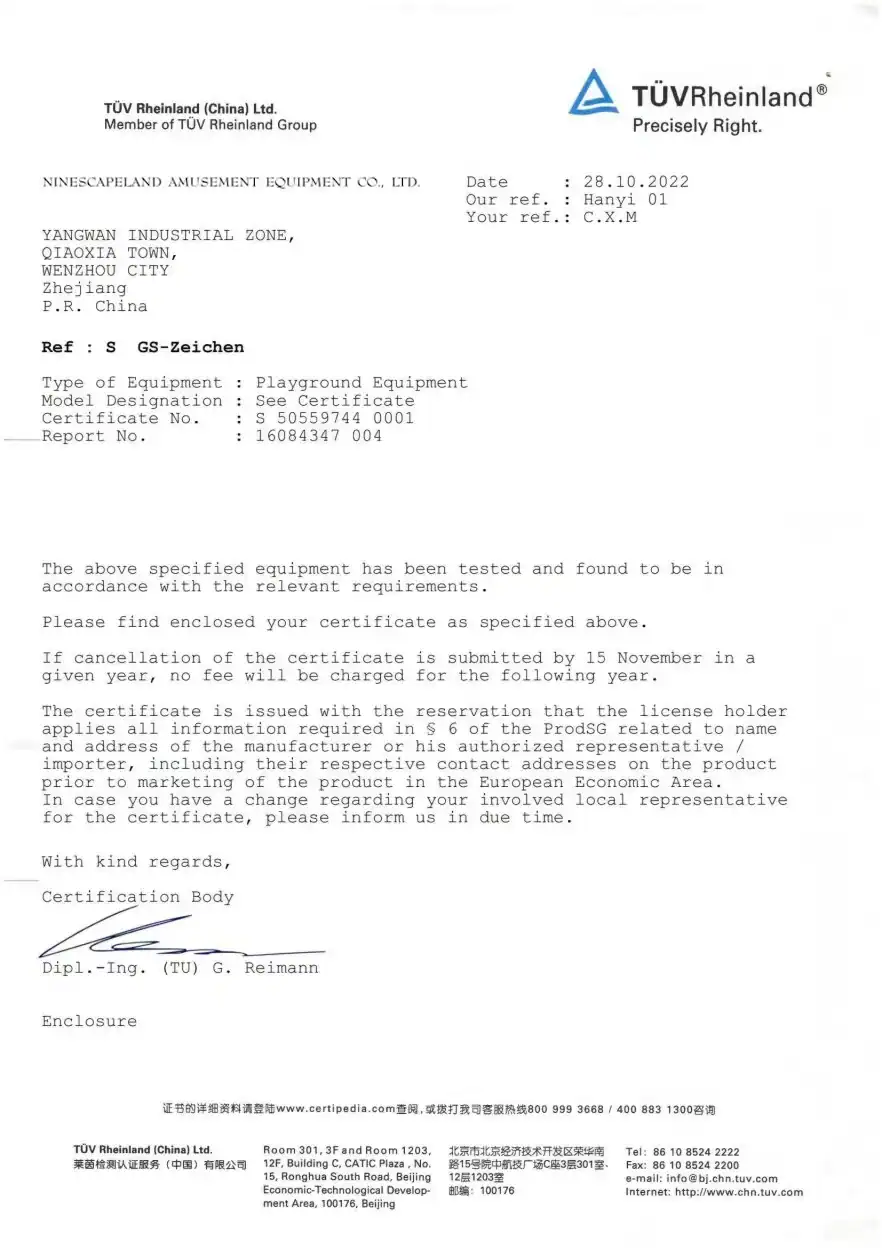
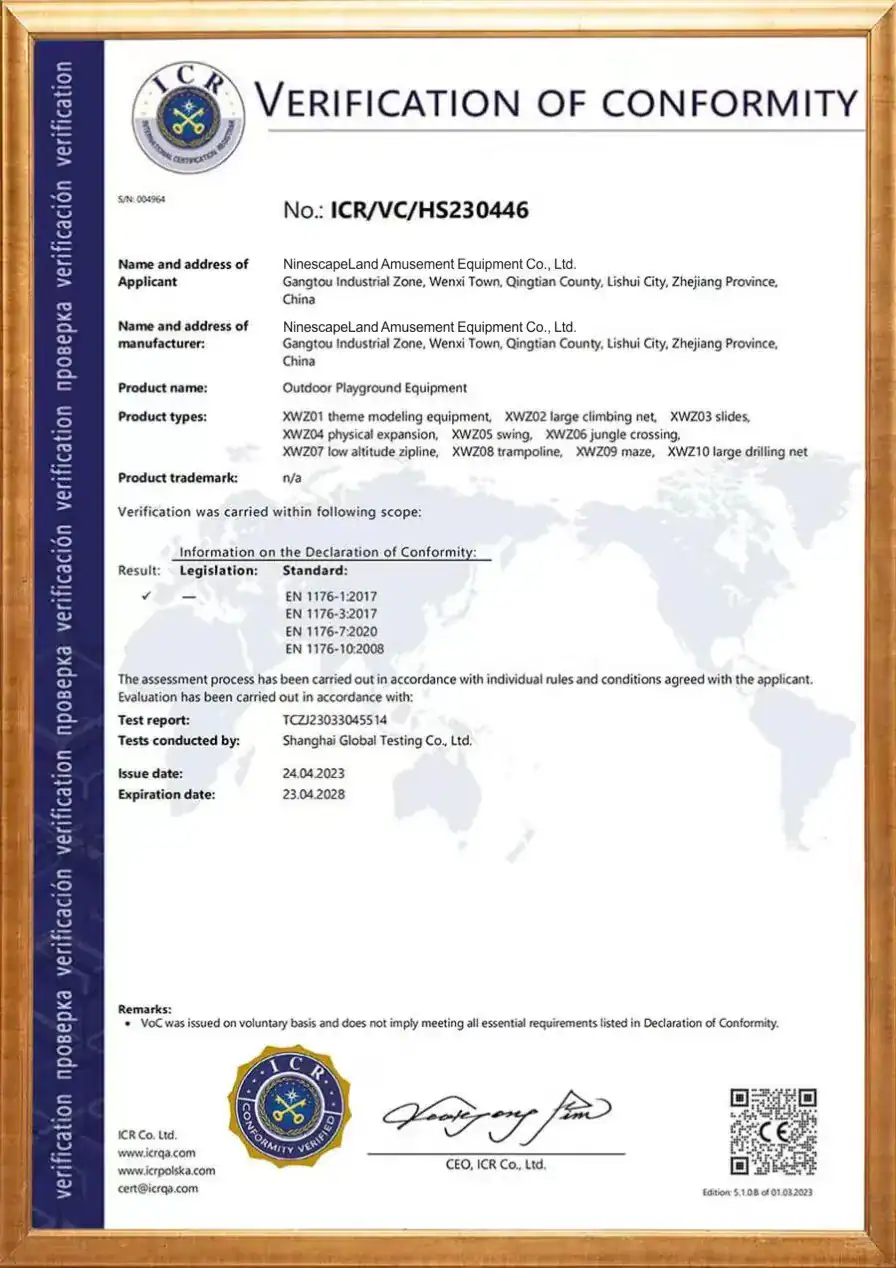
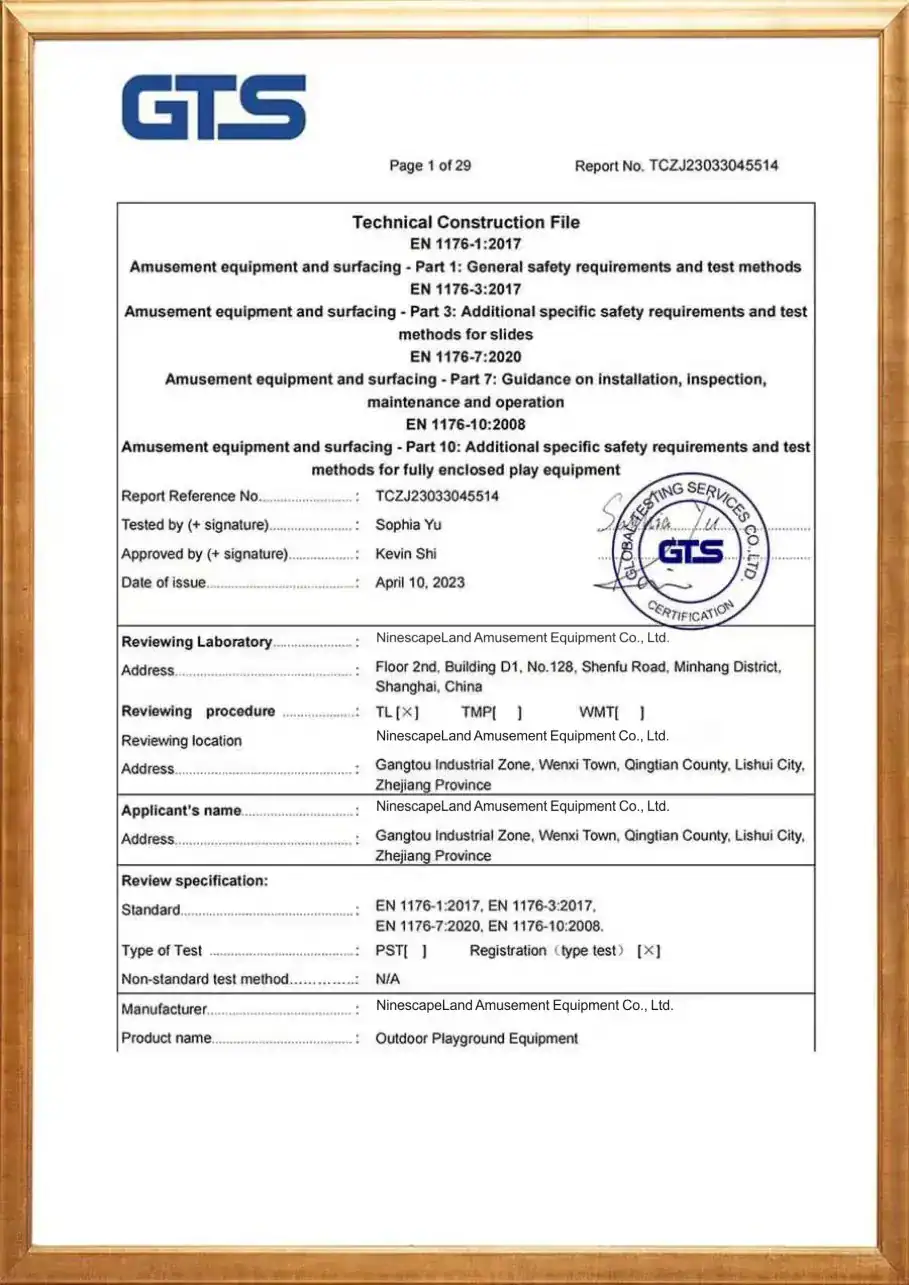
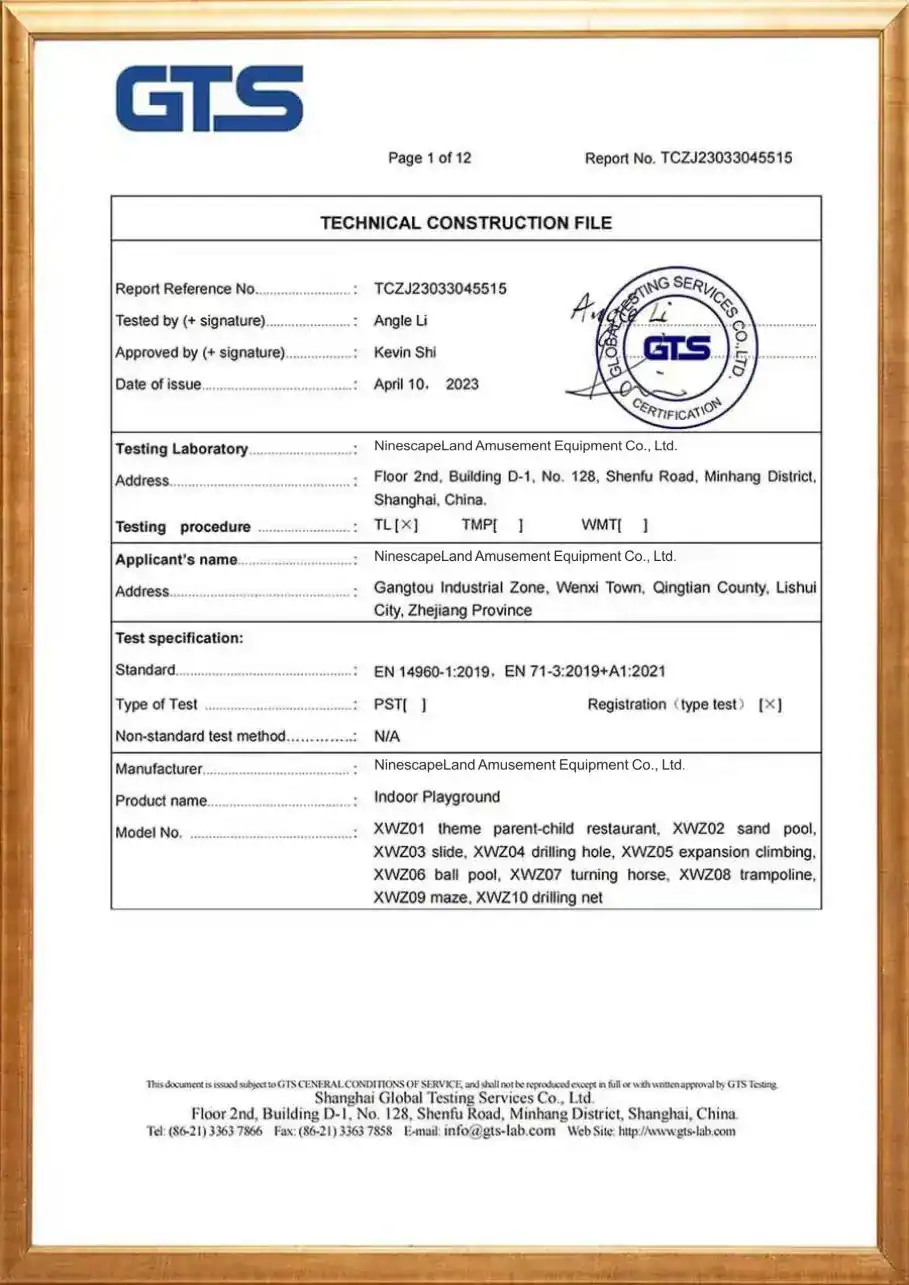
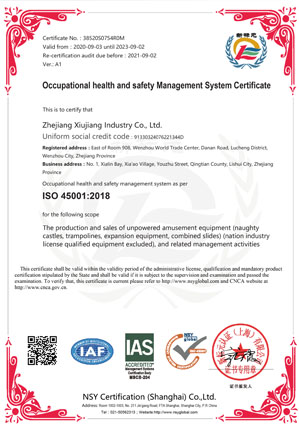
3. Request Relevant Safety Documentation
Ask for applicable certificates, test reports, material information, and documentation required for your destination market.
Safety requirements can differ by country, equipment category, and installation environment. Confirm which standards apply to your specific project rather than assuming one certificate covers every product or market.
4. Evaluate Design and Communication
A capable supplier should be able to review your floor plan, understand site restrictions, and develop a layout that considers:
- Available floor area and ceiling height
- Visitor circulation
- Age separation
- Staff visibility and supervision
- Equipment access and maintenance
- Parent seating and supporting facilities
Clear communication is also important. The supplier should explain design revisions, quotation changes, production arrangements, and delivery responsibilities.
5. Review Warranty and After-Sales Support
Read the written warranty terms carefully.
Confirm the warranty scope, exclusions, claim procedure, spare-parts availability, technical support, and responsibilities for any installation or maintenance issues.
Do not rely only on a general statement such as "long-term support." Ask what support is actually provided and how it can be requested.
6. Compare Quotations on the Same Basis
When comparing manufacturers, make sure the quotations cover comparable equipment and services.
A useful comparison should include equipment dimensions, materials, quantities, design services, packaging, price terms, shipping, installation, warranty, and spare parts.
The cheapest quotation may not provide the best overall value if important equipment or services are excluded.
Why Work with NINESCAPELAND?
NINESCAPELAND is an indoor playground equipment manufacturer based in Wenzhou, China.
The company has been producing indoor playground equipment since 2008 and operates a 50,000 m² factory. Its projects have been delivered to more than 75 countries.
NINESCAPELAND supports custom indoor playground projects through equipment planning, layout development, 3D design, manufacturing, and project coordination.
You can review the company's completed projects in the NINESCAPELAND indoor playground case study library.
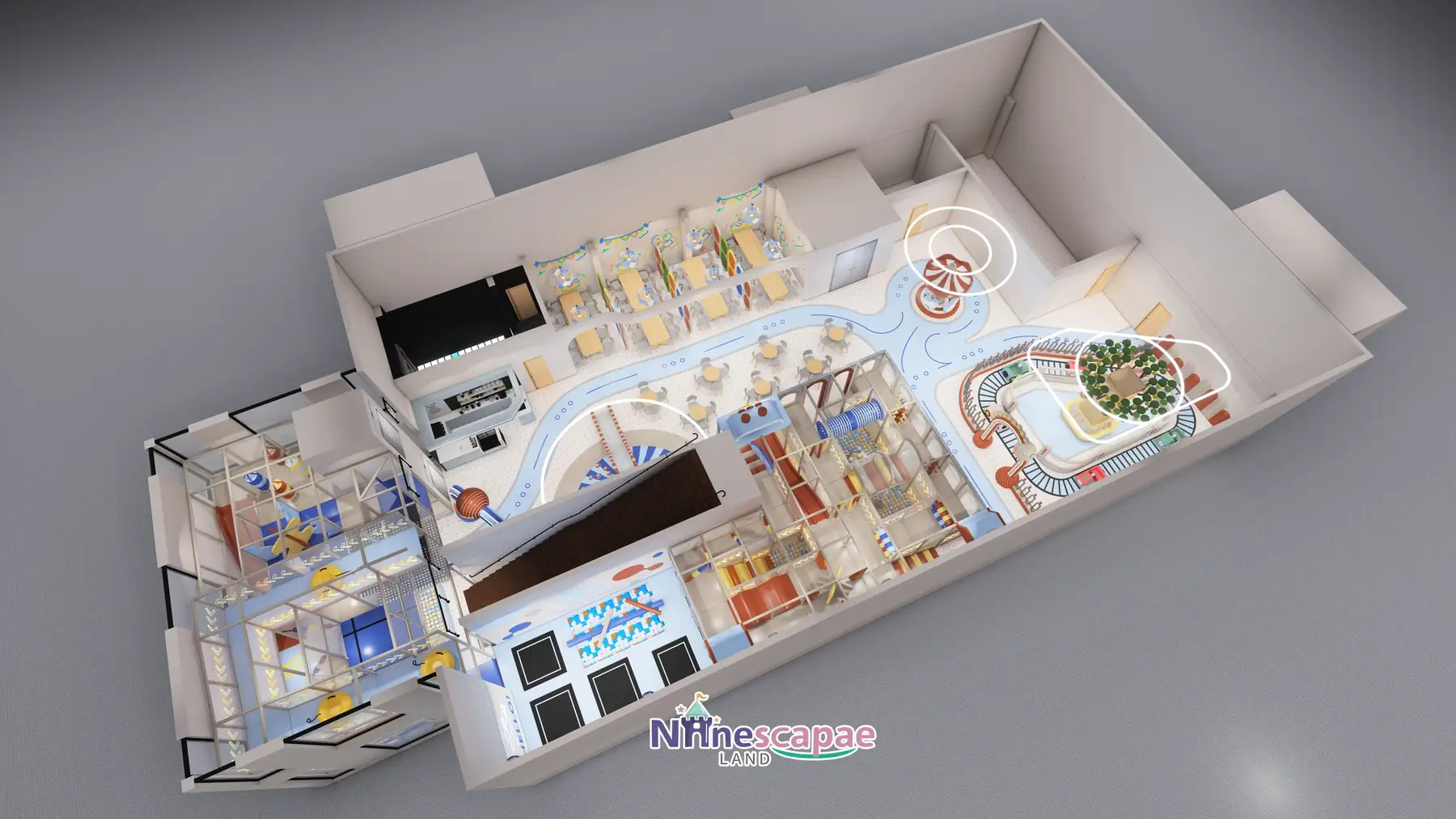
When evaluating a manufacturer, review project examples alongside the equipment quotation and technical information. This provides a more complete picture of what the supplier can deliver.
9. Production, Shipping, and Installation Timeline
The project timeline depends on equipment type, design complexity, order confirmation, production scheduling, shipping routes, and site readiness.
It is important to distinguish between equipment production time and the complete project timeline. Renovation, local approvals, shipping, installation, and opening preparations may all affect the final opening date.
Typical NINESCAPELAND Project Time References
| Stage | Typical Timeline | Notes |
| 3D design | 3–10 days | Depends on floor plan, design requirements, and revision rounds |
| Soft play production | 20–30 days | Starts after design confirmation and deposit receipt |
| Indoor playground / FEC production | 25–35 days | Starts after design confirmation and deposit receipt |
| Ninja course production | 25–40 days | Starts after design confirmation and deposit receipt |
| Trampoline park production | 30–45 days | Starts after design confirmation and deposit receipt |
| Sea freight | 20–40 days | Depends on destination and shipping arrangements |
| Installation | Usually 5–10 days | Depends on project size, complexity, and site readiness |
Production time starts after the design is confirmed and the deposit is received.
The production period should not be confused with the full project duration. For example, the property may need renovation before the equipment arrives, and local inspections may be required after installation.
Stage 1: Design Confirmation
The supplier reviews the floor plan, ceiling height, equipment requirements, and site restrictions.
The design is revised according to the project requirements until the equipment configuration and layout are confirmed.
The design stage may take longer if the floor plan changes significantly or if the project requires several rounds of revisions.
Stage 2: Deposit and Production
After the design is confirmed and the deposit is received, production can begin.
The applicable production period depends on the equipment category:
- Soft play: 20–30 days
- Indoor playground / FEC: 25–35 days
- Ninja course: 25–40 days
- Trampoline park: 30–45 days
These are planning references. The actual production schedule should be confirmed against the order, equipment configuration, and factory schedule.
Stage 3: Packaging and Shipping
After production and the necessary checks, equipment is prepared for export packaging and shipment.
Sea freight typically takes 20–40 days, depending on the destination and shipping arrangements.
Buyers should also allow for customs clearance, port handling, and destination delivery. These activities are not necessarily included in the sea freight transit time.
Stage 4: Site Preparation and Installation
The site should be ready before the equipment arrives.
Depending on the project, this may involve flooring, electrical work, lighting, ventilation, renovation, and other local construction.
Installation usually takes 5–10 days, depending on project size, complexity, and site readiness.
Stage 5: Final Checks and Opening Preparation
After installation, arrange the necessary inspections and equipment checks.
Prepare staff training, cleaning procedures, visitor management, ticketing, payment systems, and marketing activities before opening.
Plan the Opening Date with Contingency Time
Do not calculate the opening date by simply adding production and shipping days.
The complete schedule may also include design revisions, deposit processing, renovation, customs clearance, local delivery, installation, inspections, and staff training.
Some activities can take place in parallel. For example, local renovation may be arranged while equipment is being manufactured, provided the design and site requirements are sufficiently clear.
A coordinated schedule helps reduce unnecessary waiting time and avoid situations where equipment arrives before the venue is ready.
10. Licenses, Safety, and Daily Operations
Before opening an indoor playground, confirm the local requirements that apply to the building, business activities, and playground equipment.
The exact rules depend on the country, local authority, property type, and equipment category. Do not assume that a supplier's general certificate automatically satisfies every local requirement.
Building and Business Requirements
Check whether the property is approved for the intended commercial use and whether additional permits or inspections are required.
Depending on the location, you may need to review business registration, occupancy requirements, accessibility, signage, and other local rules.
Fire Safety and Emergency Arrangements
Review fire safety requirements, emergency exits, evacuation routes, signage, and any building-specific restrictions.
Keep required exits and access routes unobstructed. Coordinate with qualified local professionals when reviewing the building and evacuation arrangements.
Equipment Documentation
Ask the equipment supplier for relevant product information, material details, test reports, and certificates where applicable.
Confirm which standards are relevant to the destination market and the specific equipment being supplied.
Insurance
Discuss applicable insurance with a qualified local insurance provider.
Depending on the business and location, insurance may need to address public liability, property, employees, and other operational risks.
Staff Training and Supervision
Employees should understand visitor admission procedures, age-zone rules, supervision responsibilities, emergency procedures, incident reporting, and customer service.
Make sure responsibilities are clear during normal operations and peak periods.
Cleaning and Maintenance
Create a regular schedule for cleaning, equipment inspections, and maintenance.
The inspection process should identify visible damage, loose components, worn padding, and other issues that require attention.
Record maintenance work and establish a process for removing equipment from use when necessary.
Visitor Management
Set clear rules for admission, age limits where applicable, capacity, footwear, food, personal belongings, and supervision.
Display important rules where customers can see them and make sure staff know how to explain and enforce them.
11. Common Mistakes When Opening an Indoor Playground
Many problems can be avoided by making the right decisions before signing a lease, ordering equipment, or beginning renovation.
Mistake 1: Signing a Lease Before Checking the Building
A property may have enough total floor area but still be unsuitable because of low ceilings, structural columns, restricted access, or building requirements.
Better approach: Review the floor plan, ceiling height, building conditions, and emergency access before committing to the property.
Mistake 2: Choosing Equipment Only by Price
A low quotation may exclude important attractions, accessories, padding, design work, or services.
Better approach: Compare detailed equipment lists and quotation scopes. Make sure you understand what is included and excluded.
Mistake 3: Ignoring the Target Age Group
A playground designed for toddlers may not meet the expectations of older children. A venue aimed at older children may also be unsuitable for families with very young children.
Better approach: Define your target customers first and plan equipment zones around their needs.
Mistake 4: Filling the Entire Space with Equipment
Using every available area for play structures may leave insufficient room for circulation, reception, seating, storage, and operations.
Better approach: Plan the complete venue rather than just the equipment footprint.
Mistake 5: Underestimating Additional Costs
Equipment is only one part of the total investment. Freight, import costs, renovation, property expenses, staffing, and working capital can increase the amount required.
Better approach: Prepare a full project budget and confirm major costs before making financial commitments.
Mistake 6: Overlooking Local Requirements
Requirements related to building use, fire safety, insurance, and equipment may differ between locations.
Better approach: Confirm the applicable requirements early with relevant local authorities and qualified professionals.
Mistake 7: Setting an Unrealistic Opening Date
Production, shipping, customs clearance, renovation, installation, inspections, and staff training all affect the opening schedule.
Better approach: Build a realistic project timeline and allow contingency time for changes or delays.
Mistake 8: Not Planning for Daily Operations
A venue may look attractive but still be difficult to operate if staff cannot supervise play zones effectively or cleaning and maintenance procedures are unclear.
Better approach: Include circulation, supervision, cleaning access, maintenance, and staffing in the original design and operating plan.
A successful indoor playground is not necessarily the venue with the most attractions. It is the venue where the equipment, layout, customer experience, and operating model work together.
12. Download the Indoor Playground Business Plan PDF
Planning an indoor playground involves many details, from choosing a business model to comparing equipment quotations and estimating the full startup investment.
Use this free Indoor Playground Business Plan PDF worksheet to organize your project information in one place.
The worksheet is designed to help you:
- Define your business concept and target customers
- Record your location and facility requirements
- List the equipment and play zones you want to include
- Compare manufacturer quotations
- Estimate equipment, shipping, renovation, and other startup costs
- Organize your production and opening timeline
- Record important questions before making purchasing decisions
Download the worksheet and use it as a working document while developing your project.
CTA: Download the Free Indoor Playground Business Plan PDF
PDF download link: Add the actual PDF file after uploading the worksheet.
13. Get a Custom Indoor Playground Layout and Quote
Every indoor playground project has different requirements. The equipment budget depends on the available space, ceiling height, target age group, play zones, materials, customization, and destination.
A general price reference can help you prepare an initial budget, but a project-specific quotation requires more information.
What to Prepare Before Requesting a Quote
1. Project Location
Provide the country and city where the playground will be installed. This helps the supplier understand the destination and discuss shipping arrangements.
2. Floor Plan and Available Area
Share the floor plan with dimensions, including columns, doors, windows, and other fixed obstacles.
If a detailed floor plan is not available, provide the main measurements and clear photographs of the space.
3. Ceiling Height
Provide the actual ceiling height and identify any beams, pipes, lighting, or other overhead restrictions.
4. Target Age Group
Explain whether the venue is designed for toddlers, preschool children, school-age children, families, or mixed age groups.
5. Preferred Equipment
List the attractions you are interested in, such as soft play, slides, ball pits, trampolines, ninja courses, climbing structures, or interactive equipment.
You do not need to finalize every attraction before contacting a manufacturer. The supplier can review your requirements and discuss suitable combinations.
6. Estimated Equipment Budget
Provide an approximate budget if available. This helps the supplier understand the expected project scope and suggest suitable equipment configurations.
7. Expected Opening Schedule
Share your target opening date or project schedule so the design, production, shipping, and installation arrangements can be discussed.
Work with NINESCAPELAND
NINESCAPELAND can review your project information and help develop a customized equipment layout and quotation based on your site conditions and project requirements.
A detailed floor plan and clear project requirements make it easier to evaluate the available space, select suitable attractions, and prepare a more relevant quotation.
Get a Custom Indoor Playground Quote
Frequently Asked Questions
1. How much does it cost to open an indoor playground?
The total investment depends on the venue size, equipment configuration, property costs, renovation, shipping, local taxes, staffing, and working capital.
Historical equipment prices can help you understand the equipment budget, but they should not be treated as the total cost of opening a venue. Prepare a complete budget that includes both one-time startup expenses and ongoing operating costs.
2. How much does indoor playground equipment cost?
Equipment prices vary according to the play structure, materials, height, attractions, customization, and project requirements.
For reference, selected historical NINESCAPELAND projects ranged from US32,000 for a 90 m² toddler playground to US69,800 for a 550 m² indoor playground.
These are historical FOB equipment price references, not current quotations. Freight, import costs, local construction, and installation are not automatically included.
3. How long does it take to build an indoor playground?
The timeline depends on equipment type and project complexity.
NINESCAPELAND's production references are 20–30 days for soft play equipment, 25–35 days for indoor playground and FEC equipment, 25–40 days for ninja course equipment, and 30–45 days for trampoline park equipment.
Production starts after design confirmation and deposit receipt. Sea freight typically takes 20–40 days, while installation usually takes 5–10 days.
The complete project schedule should also account for renovation, customs clearance, local delivery, inspections, and opening preparations.
4. What size should an indoor playground be?
There is no single ideal size for every indoor playground.
The right area depends on the business model, target age group, local market, available investment, and the facilities you want to provide.
A smaller venue may focus on soft play and toddlers, while a larger venue can accommodate multiple attractions, party rooms, and additional services.
Always distinguish between total property area and the actual space available for play equipment.
5. What should I prepare before asking for an equipment quotation?
Prepare your project location, floor plan, ceiling height, target age group, preferred attractions, and approximate equipment budget.
Clear photographs and measurements can also help the manufacturer understand the site conditions.
The more complete the project information, the easier it is to review the layout and prepare a relevant quotation.
6. Should I choose an indoor playground manufacturer or a local distributor?
The right choice depends on your project requirements.
A manufacturer may provide more direct communication about production and customization. A local distributor may offer local coordination or support.
Compare manufacturing capability, project experience, documentation, quotation scope, delivery arrangements, and after-sales services before making a decision.
7. What is included in an indoor playground equipment quotation?
The scope depends on the supplier and the quotation terms.
A quotation may include the main equipment, materials, design services, packaging, or other agreed items. Shipping, customs clearance, local taxes, destination delivery, installation, and local construction may be quoted separately.
Always request an itemized quotation and confirm the applicable trade terms.
8. Can an indoor playground be customized for an irregular space?
Yes. A customized layout can be developed around the actual floor plan, columns, entrances, ceiling height, and other site restrictions.
Provide accurate measurements and photographs so the manufacturer can review the available space and discuss suitable equipment combinations.
9. What should I check when comparing indoor playground manufacturers?
Review manufacturing capability, relevant completed projects, material information, safety documentation, design support, quotation details, production schedules, warranty terms, and after-sales arrangements.
Do not compare suppliers only by the total quotation amount. Confirm that the equipment and services included are comparable.
10. How can I prepare a realistic indoor playground business plan?
Start with a clear business model and target market. Then review the property, prepare an equipment layout, estimate the full startup investment, confirm local requirements, and develop an operating and financial plan.
Use actual quotations and local cost information wherever possible. Update your assumptions as the project develops.
Plan Your Indoor Playground Project with NINESCAPELAND
A successful indoor playground starts with a realistic business plan, a suitable location, and an equipment layout designed around your customers.
Whether you are planning a compact soft play centre, a family playground, or a larger indoor adventure venue, the first step is to understand your space, target audience, equipment requirements, and investment range.
NINESCAPELAND supports custom indoor playground projects through layout planning, 3D design, equipment manufacturing, and project coordination.
Share your floor plan, project location, target age group, and preferred attractions to start discussing your project.
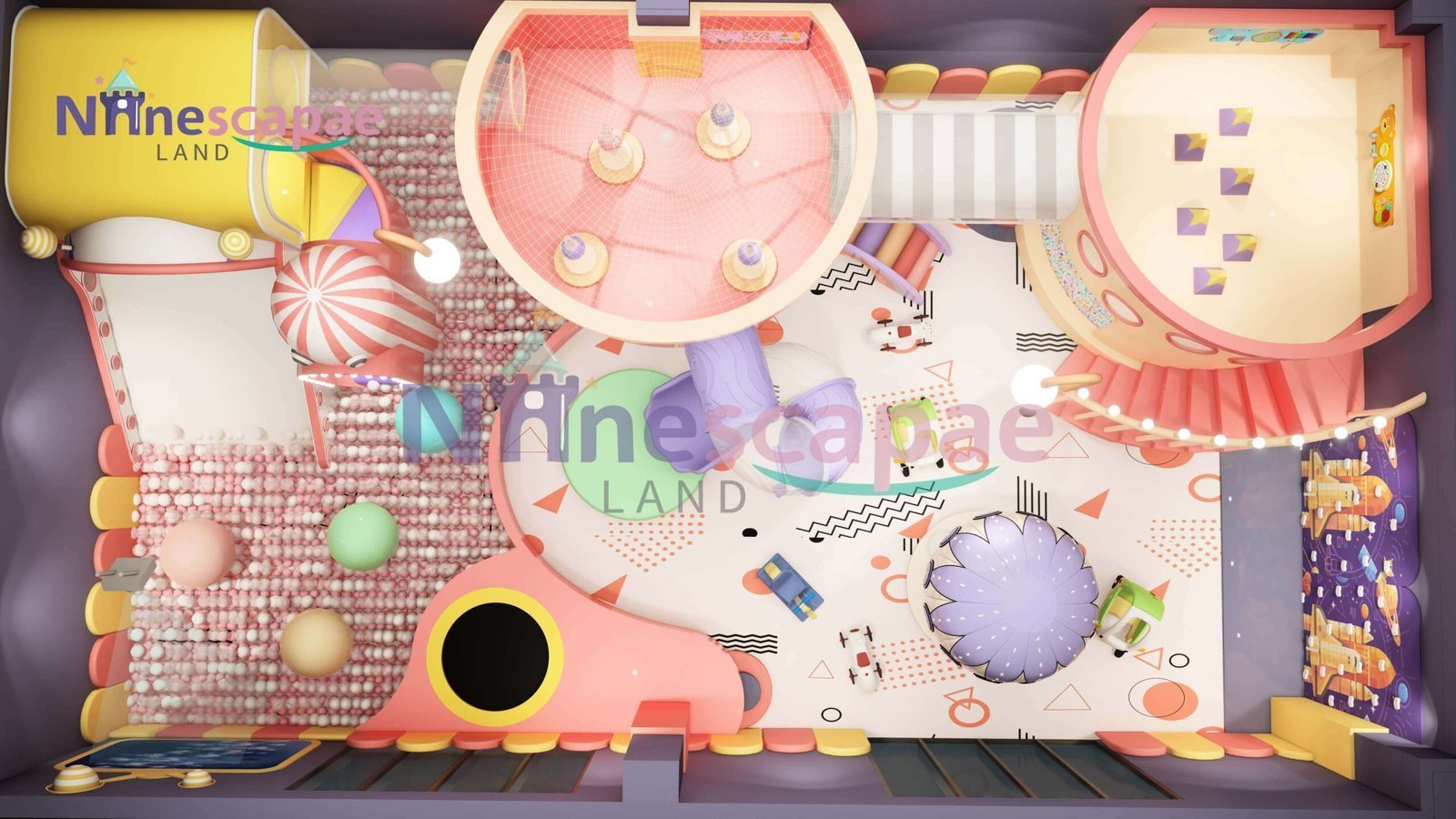
Get in touch with NINESCAPELAND to request a custom indoor playground layout and quotation.